Cat Adolescence: The Hardest Age (6–18 Months)
What is the most difficult age for a cat?
Answer
For many cats, the most difficult age is adolescence—typically around 6 to 18 months old. This is the “teen” phase when kittens are no longer tiny babies but haven’t settled into adult routines yet. Energy spikes, boundaries get tested, and behavior can feel suddenly unpredictable, even in a cat that was previously easygoing.
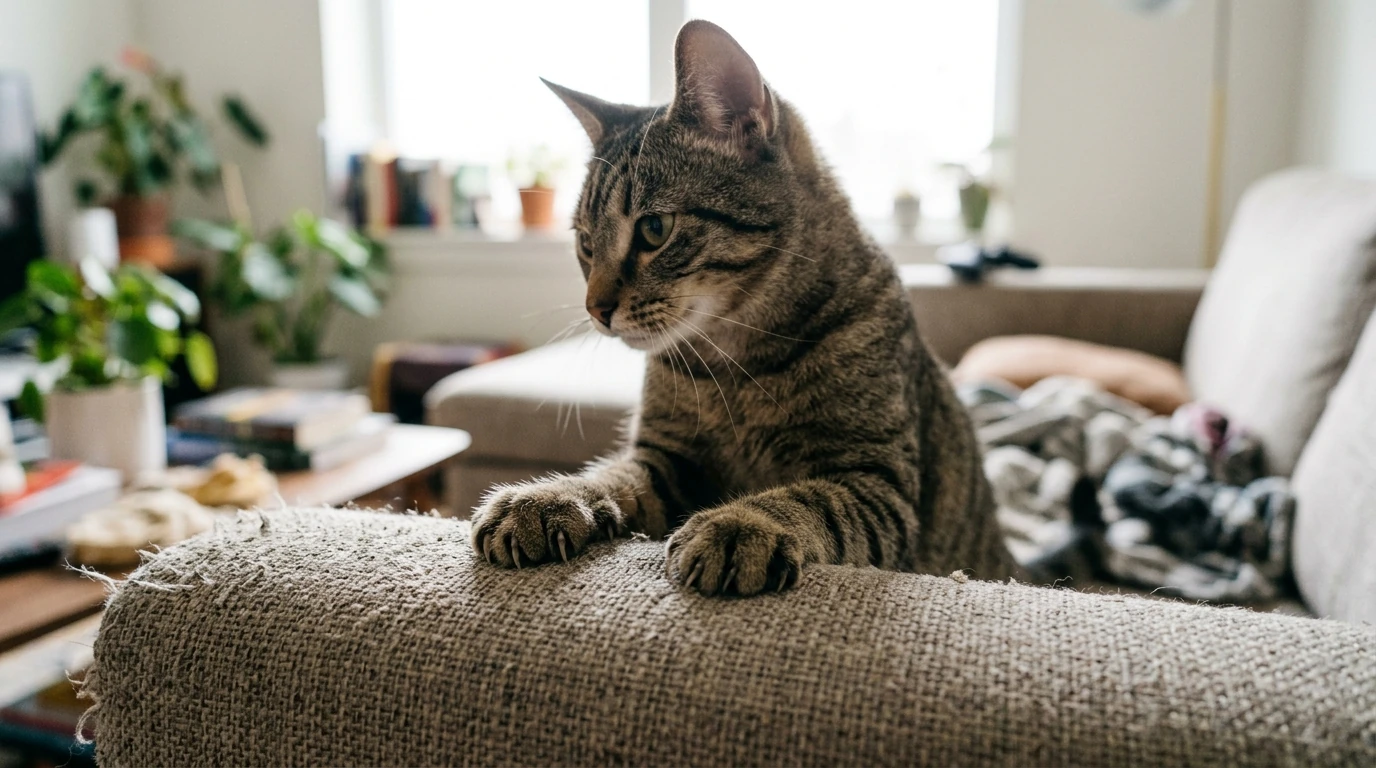
During this stage, it’s common to see more midnight zoomies, rougher play, climbing and counter-surfing, increased scratching, and occasional litter box “attitude” if something about the setup is frustrating. Intact cats may also show hormone-driven behaviors like yowling, spraying, or trying to bolt outdoors. Even after spay/neuter, adolescents can still act like they have endless fuel in the tank.
Why adolescence can feel harder than kittenhood
Very young kittens (roughly 2 to 4 months) are busy learning, but they tend to nap often and are more easily redirected. By 6+ months, many cats become more athletic and determined, and they’re strong enough to knock things over, leap higher, and ignore “no” with confidence. This is also when boredom becomes a real driver of mischief if playtime and enrichment aren’t consistent.
When things usually get easier
Most cats start smoothing out between 12 and 24 months as they mature and develop steadier habits. You can shorten the “difficult” window by keeping a predictable routine, offering daily interactive play (wand toys, chase games), providing multiple scratching surfaces, and using puzzle feeders to turn energy into a job.
Nutrition matters, too—overfeeding can increase restlessness, while underfeeding can increase food-seeking and irritability. For help dialing in a practical routine, follow this feeding guide: new kitten feeding schedule by age.
FAQ
How often should a new kitten eat in the first week at home?
Most young kittens do best with small, frequent meals—often 3 to 6 feedings per day depending on age and weight. Keep the schedule consistent, monitor stool and appetite, and ask a vet if your kitten seems weak, dehydrated, or isn’t gaining weight.












Leave a comment