Pet Travel Checklist: Safe Road Trips With Dogs & Cats
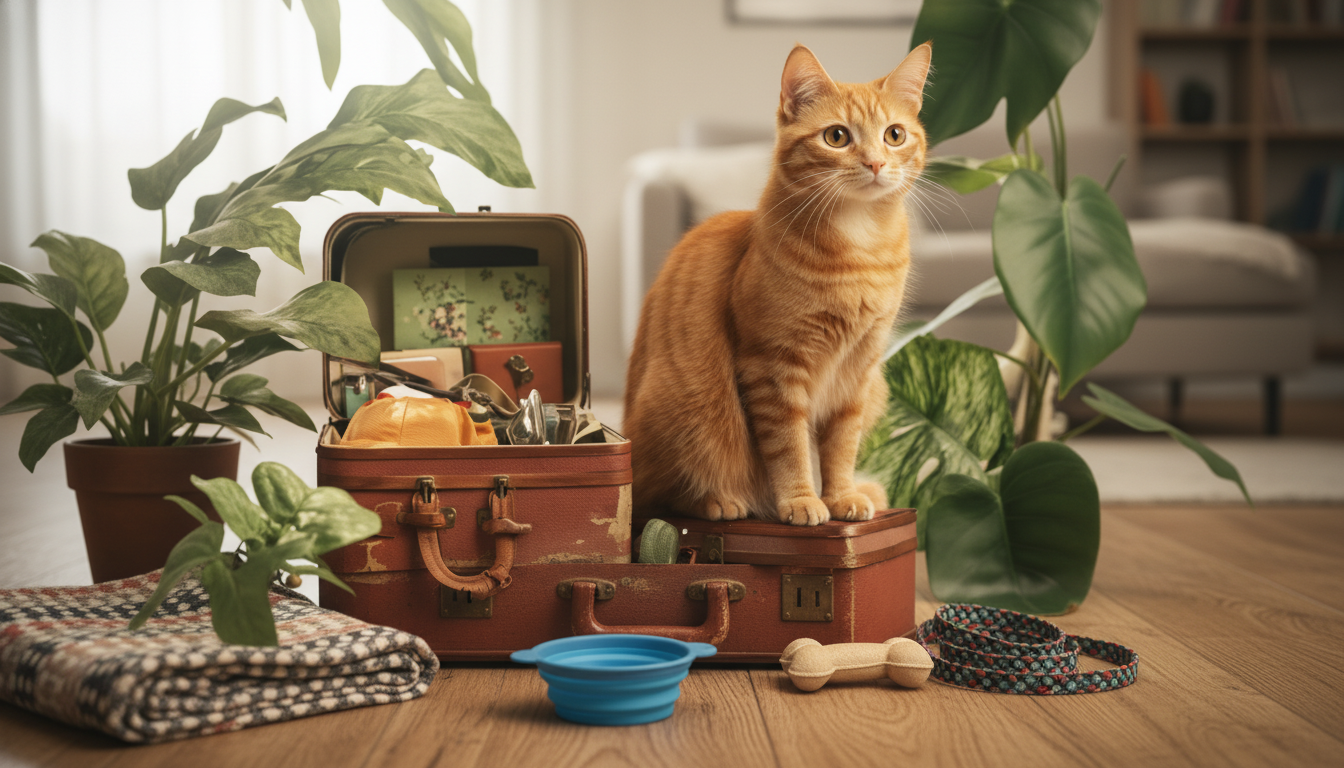
Pet Travel Essentials Checklist for Safe Trips (Dogs & Cats)
Traveling with a dog or cat gets easier when every must-have item is decided before packing starts. The goal is simple: keep your pet secure, keep routines steady, and reduce surprises. Use the categories below—safety, health, feeding, comfort, cleanup, and logistics—to build a repeatable system you can use for road trips, vacations, and overnight stays. For more guidance, see Pet Travel Safety – How To Travel Long Distance – Red Cross.
Before You Pack: Trip Details That Prevent Last-Minute Stress
- Confirm destination rules: pet fees, size limits, breed restrictions, and required documentation (especially for hotels, campgrounds, and flights).
- Check the climate and terrain so you can plan paw protection, coat needs, and a hydration strategy.
- For road trips, map rest stops every 2–3 hours and identify pet-friendly fuel/food options plus backup stops.
- Create a two-bag system: one easy-access “in-transit bag” and one “lodging/camp bag.”
- Book services early when needed: grooming, vet visits, or a boarding backup plan.
For international or regulated travel, confirm current requirements with the CDC’s guidance on traveling with pets, and keep all paperwork together in a single folder. For further reading, see Traveling safely with your pet: The ultimate guide – AAHA.
Safety First: Restraints, Carriers, and Identification
A safe setup prevents escapes, reduces driver distraction, and lowers injury risk during sudden stops. Whenever possible, use a crash-tested carrier or travel crate that can be secured to the vehicle. If your dog rides harnessed, choose a well-fitted harness paired with a seat-belt tether designed for pets.
- Never allow pets to ride with their heads out of windows; debris and abrupt braking can cause serious injuries.
- Update ID tags with a phone number that will work during travel; consider a temporary tag with lodging contact info.
- Microchip check: verify registration details are current before leaving.
- Keep a recent photo (full body and close-up) for shelter verification if your pet is lost.
Quick guide to safer travel setups
| Scenario | Best option | Backup option | Notes |
|---|---|---|---|
| Car travel (dog) | Crash-tested crate or secured kennel | Harness + seat-belt tether | Keep pet in back seat; prevent roaming |
| Car travel (cat) | Hard-sided carrier secured with seat belt | Soft carrier with firm base | Cover lightly to reduce stress; ensure airflow |
| Hotel stay | Portable crate or playpen | Baby gate in a safe room | Reduces bolting risk when doors open |
| Outdoor stops | Leash + secure collar/harness | Long line for controlled sniff breaks | Avoid retractable leashes near traffic |
For additional safety reminders, the AVMA’s pet travel overview is a reliable place to double-check best practices.
Health, Medications, and Veterinary Paperwork
- Pack medications in original containers with dosage instructions; bring 2–3 extra days beyond the trip length.
- Carry proof of rabies vaccination and any required destination paperwork (especially for cross-state travel, boarding, or flights).
- Create a mini medical summary: primary vet contact, allergies, chronic conditions, and microchip number.
- Bring flea/tick and heartworm preventatives if the trip overlaps dosing dates or higher-risk areas.
- Look up the nearest emergency vet at the destination and along the route; store addresses offline.
If your pet gets carsick or anxious, talk to your veterinarian well ahead of departure and test any recommended strategy at home before relying on it on travel day.
Food and Water: Keeping Routines Stable on the Move
The easiest way to avoid travel-related stomach upset is to keep feeding as consistent as possible.
- Bring the same food your pet eats at home; sudden diet changes are a common cause of travel tummy trouble.
- Pre-portion meals into labeled bags or containers to make stops faster and cleaner.
- Pack collapsible bowls plus a backup bowl; include a water bottle or small jug to keep the water source consistent.
- Treats help reinforce calm carrier time, relaxed leash behavior, and quiet settling in new spaces.
- For cats: keep feeding areas separate from litter placement to reduce stress and accidents.
Comfort and Stress Reduction (Especially for First-Time Travelers)
The AAHA travel safety tips are helpful for building a calmer routine—especially if your pet is new to hotels, cabins, or busy rest stops.
Cleanup Kit: Accidents, Shedding, and Mess Control
Printable Planner: A Simple System for Road Trips and Vacations
If you want a ready-to-use format, see Pet Travel Essentials Checklist for Safe Trips (Printable Pet Travel Planner) for a structured, print-friendly way to organize safety, health, feeding, comfort, and cleanup items.
For travelers who like a broader, streamlined approach for the whole family (not just pet gear), pair it with the Minimalist Travel Packing Planner to reduce overpacking and keep essentials easy to find.
Common Mistakes to Avoid on Pet Trips
FAQ
How often should a dog or cat take breaks on a road trip?
Plan stops about every 2–3 hours for dogs to potty, drink water, and take a short leashed walk. For cats, keep stops calm and controlled; offer water and check the litter setup during longer intervals while prioritizing escape prevention.
What’s the safest way for a pet to ride in a car?
A crash-tested crate or carrier secured with a seat belt is the safest choice for most pets. Dogs can also ride in a well-fitted harness with a pet seat-belt tether, ideally in the back seat to prevent roaming.
What should be included in a basic pet travel first-aid kit?
Include gauze, non-stick pads, vet wrap, pet-safe antiseptic wipes, tweezers, a tick remover, a digital thermometer, saline rinse, disposable gloves, and your vet/emergency numbers; a muzzle can be useful for some dogs in emergencies. Ask your veterinarian before adding medications so dosing and safety are appropriate.











Leave a comment