A Simple Productivity System: Goals, Weekly Plans, Routines

Why productivity works best as a system (not a hustle)
Productivity feels “easy” when goals, calendars, and routines reinforce each other. Instead of chasing motivation, you schedule outcomes, protect attention, and repeat a few lightweight rituals that keep progress steady. This blueprint turns big priorities into weekly targets, focus blocks, and daily rhythms—so you can move forward without feeling like every day is an emergency.
If you want a ready-to-use structure for goal setting, time-blocking, and routines, the digital guide The Ultimate Productivity Blueprint | Digital Productivity Guide for Goal Setting, Time Management & Daily Routines organizes the same system into simple, repeatable templates.
Start with outcomes that can be scheduled
Most plans fail because they start with an overloaded task list rather than a clear outcome. Begin by choosing goals that can be put on a calendar.
- Define 1–3 outcome goals for the next 8–12 weeks (career, health, home, finances, learning).
- Translate outcomes into milestones with deadlines, checkpoints, or deliverables you can schedule.
- Pick one “lead metric” per goal (the controllable action that drives results: sessions, pages, reps, outreach).
- Create a definition of “done” so “good enough” is clear and scope creep doesn’t take over.
When you can schedule the milestones, you can protect time for the lead metric—and that’s where consistent progress usually comes from.
Build a weekly planning ritual that prevents overload
Weekly planning is where intention meets reality. A short ritual (kept at the same time every week) prevents the “Monday scramble” and helps you avoid taking on more than your calendar can support.
- Choose a fixed weekly planning time (30–45 minutes) and keep it sacred.
- Review wins, stuck points, upcoming commitments, and energy patterns from the past week.
- Select 3–5 weekly priorities total across work and life—enough to matter, not enough to break you.
- Time-block focus sessions first, then meetings/errands, then buffers.
- Pre-decide non-negotiables (sleep window, movement, family time) before adding extra tasks.
Weekly plan built from priorities, not task volume
| Step | What to do | Time needed | Output |
|---|---|---|---|
| Review | Scan calendar, notes, and unfinished tasks | 10 min | Clear view of constraints |
| Prioritize | Choose 3–5 weekly priorities and 1–2 maintenance habits | 10 min | Short, realistic focus list |
| Schedule | Block deep work, workouts, and buffers first | 15 min | Calendar that matches priorities |
| Prep | List first actions and needed resources | 5–10 min | Friction removed before the week starts |
Daily routine architecture: anchor, focus, recover
Strong routines don’t need to be long; they need to be repeatable. Think in three parts: start-up cues, protected focus, and a clean shutdown.
- Morning anchor routine (10–30 minutes): hydrate, quick tidy, plan your Top 3, brief movement.
- First focus block (60–120 minutes): do it before reactive work whenever possible.
- Mid-day reset: short walk, meal without screens, then a 2-minute check of the afternoon plan.
- Shutdown ritual: capture loose tasks, pick tomorrow’s first action, close tabs to reduce mental carryover.
- Keep routines lightweight; consistency beats complexity.
Recovery is part of output. If sleep is unstable, start there; steady sleep routines are strongly linked with better daytime function (see NHS guidance on sleep and sleep routines).
Time management that protects attention (not just minutes)
Minutes aren’t the scarce resource—attention is. A plan that ignores context switching will look great on paper and collapse by noon.
- Time-block important work with real start/stop times to prevent endless “open loops.”
- Batch shallow tasks (email, admin, messages) into 1–3 windows rather than constant checking.
- Apply the 2-minute rule only inside a batch window so you don’t derail focus blocks.
- Reduce context switching: group similar tasks, keep a single capture inbox, limit active projects.
- Add buffers: reserve 10–20% of the day for the unexpected so plans stay credible.
When stress rises, productivity usually drops—not because of laziness, but because bandwidth gets eaten by tension. Basic stress-management practices can help you stay steady (see APA resources on stress management).
A simple system for prioritizing what matters today
Daily prioritization should be fast and decisive. The goal is progress plus recovery, not maximum output.
- Pick a daily Top 3 aligned with your weekly priorities; everything else becomes optional, delegated, or delayed.
- Use an effort/impact check: if it’s low impact, cap the time or remove it.
- Break each Top 3 into a first action that takes 5–15 minutes (open the doc, outline, call, gather materials).
- Set a definition of success for the day: move the needle and protect energy for tomorrow.
For quicker prioritization decisions, the classic urgent/important distinction is a useful reference point (see an Eisenhower Matrix overview).
Tools and templates that make the system easier to maintain
The best tools reduce friction and keep commitments visible. The simplest setup usually wins.
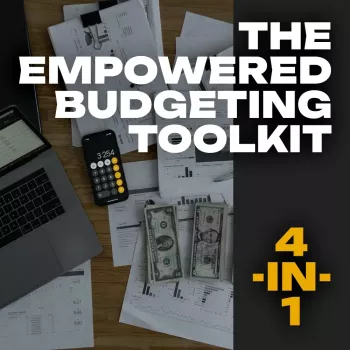
If financial goals are part of your 8–12 week outcomes, pairing a productivity system with a budgeting workflow helps you choose priorities with fewer tradeoffs. The Empowered Budgeting Toolkit | 4-in-1 Bundle| Budget Planner & Excel Guide| Monthly Expense Savings, Wealth Strategies & Guided Affirmations for Wealth supports that side of the plan with structured trackers and planning prompts.
Common productivity traps—and how to avoid them
Putting it all together: a 7-day reset plan
Want a plug-and-play version of this reset? The Ultimate Productivity Blueprint is designed to help you set outcomes, build a weekly plan, and stick to daily routines without reinventing the system each Monday.
FAQ
Which president was famous for time management?
Dwight D. Eisenhower is often associated with disciplined prioritization (popularized through the urgent/important framework that carries his name), reflecting a practical approach to deciding what deserves attention first. While Benjamin Franklin is famous for structured daily schedules, he was not a U.S. president.











Leave a comment