Pack Light: Minimalist Digital Travel Packing Planner
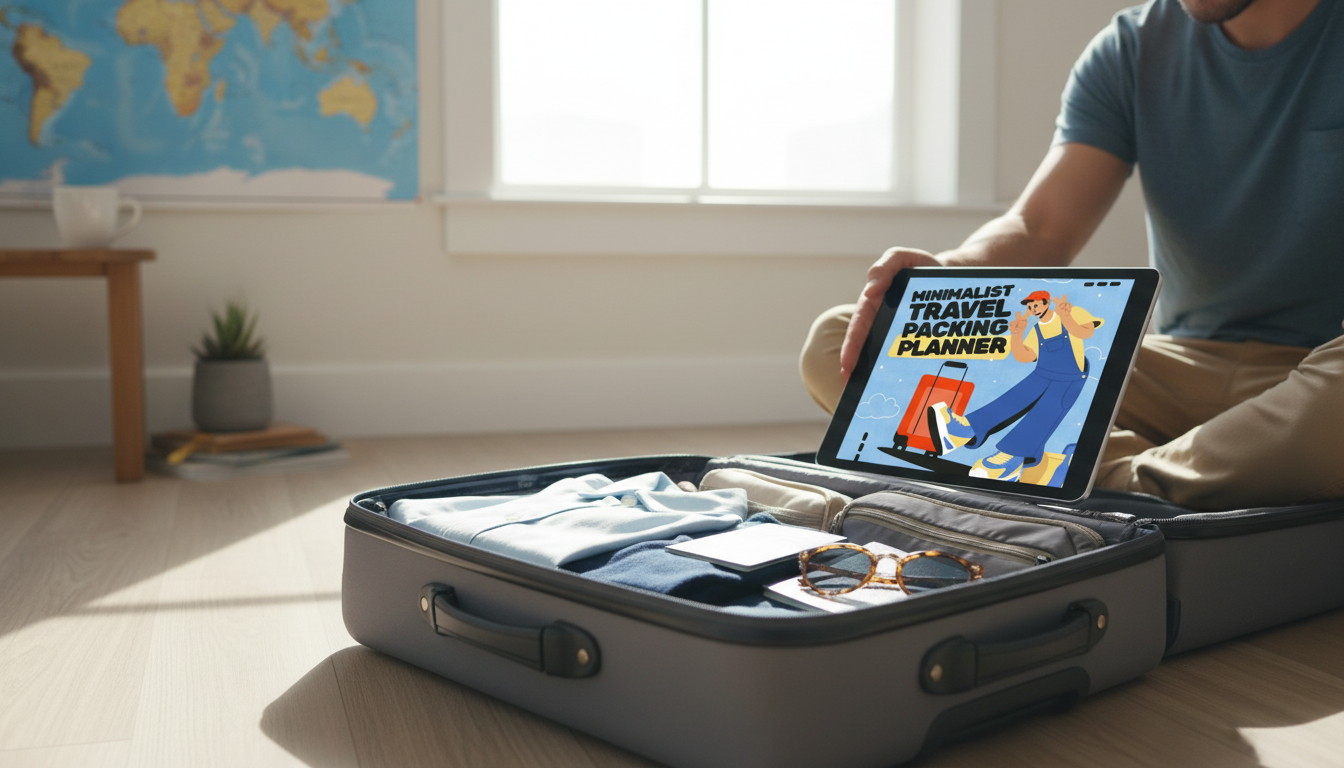
Minimalist Travel Packing Planner: A Digital Guide for Light, Smart & Stress-Free Trips
Packing light is less about owning fewer things and more about making better decisions before the suitcase opens. A minimalist approach reduces overpacking, prevents last-minute stress, and makes travel days smoother—especially on short breaks, multi-city itineraries, and carry-on-only flights. A digital packing planner turns packing into a quick, repeatable system: define the trip, generate a focused list, and pack with confidence.
What “minimalist packing” actually means
Minimalist packing isn’t about deprivation; it’s about intention. The goal is a bag that supports the trip you’re actually taking.
- Pack for real activities on the itinerary, not hypothetical scenarios.
- Choose a small set of versatile items that combine into multiple outfits.
- Prioritize comfort, weather readiness, and a laundry strategy over “just in case” extras.
- Use a consistent packing workflow so every trip starts from a proven baseline.
If you want a ready-made structure for that workflow, the Minimalist Travel Packing Planner (digital guide) is designed to keep decisions simple while still covering the essentials.
How the digital packing planner keeps trips light and organized
A planner works best when it reduces mental load. Instead of staring at an empty suitcase and guessing, you start with prompts and categories that prevent common misses (and common overreaches).
- Pre-trip prompts to define trip length, climate, dress code, and key activities before listing items.
- Category-based checklist structure (clothing, toiletries, tech, documents, health, extras) to prevent missed essentials.
- Built-in prioritization so must-haves are separated from nice-to-haves before packing begins.
- Reusable format: duplicate the list for weekend trips, business travel, or long vacations and adjust in minutes.
- Stress-reduction focus: fewer decisions the night before departure, fewer forgotten items, fewer duplicates.
For air travel, it also helps to sanity-check toiletries and liquids early. The TSA’s carry-on liquid guideline is worth reviewing before you decant anything: TSA: Liquids Rule (3-1-1 for carry-ons).
A simple packing workflow for stress-free travel days
Minimalist packing gets dramatically easier when you stop relying on memory and start using a sequence. This approach helps you pack with confidence while keeping the bag small.
- Start 3–5 days out: finalize itinerary blocks (work, sightseeing, exercise, dinner out) and align outfits to those blocks.
- Select a color palette and limit shoes to two pairs when possible (one walking, one “upgrade” option).
- Decide a laundry plan (sink wash, hotel laundry, laundromat, or none) to set the right clothing quantity.
- Pack in two passes: (1) essentials and basics, (2) weather and comfort items—stop before “just in case” additions.
- Do a 10-minute pre-departure check: documents, payment methods, chargers, meds, and day-one outfit.
| Step | Goal | Output |
|---|---|---|
| Define the trip | Clarify needs vs. wants | Activities + climate + dress code |
| Build the base list | Cover essentials first | Core checklist completed |
| Create outfit capsules | Multiply options with fewer items | Outfits mapped to days/activities |
| Set limits | Prevent overpacking | Item caps (tops, bottoms, shoes) |
| Pack + verify | Reduce mistakes | Bags packed + essentials double-checked |
Capsule packing: fewer items, more outfits
A capsule wardrobe is the minimalist traveler’s shortcut: fewer pieces that work harder. The key is to pack items that can be worn in multiple combinations, across multiple settings.
- Choose 2–3 bottoms and 4–6 tops that mix and match; add one layer piece for temperature swings.
- Pick fabrics that re-wear well (odor-resistant, quick-dry) and avoid bulky “single-use” items.
- Use accessories to change the look without adding weight (scarf, belt, compact jewelry).
- Plan a “travel uniform” for transit days: comfortable base layers, easy shoes, and a light jacket.
- Use the planner to tie each clothing item to at least two outfits before it earns a spot in the bag.
Smart essentials that prevent overpacking
Overpacking often happens when essentials are vague. When you define a tight “non-negotiables” kit, it’s easier to skip backups you won’t use.
For destination-specific health guidance (vaccines, advisories, and activity-based precautions), check CDC: Travelers’ Health before you finalize meds and first-aid items.
Trip types the planner fits especially well
Traveling with a dog or cat adds a second checklist (food, meds, paperwork, safety gear). Pair your own packing system with the Pet Travel Essentials Checklist for Safe Trips to keep pet needs organized without turning your bag into a catch-all.
Common packing mistakes (and quick fixes)
If packing anxiety tends to spike right before departure, a quick journaling reset can help keep decisions rational (and keep “just in case” creep from taking over). Consider adding Mindful Clarity: Journal & Prompts to your pre-trip routine.
FAQ
How do you pack light for a 7-day trip with a carry-on?
Use a small capsule wardrobe (2–3 bottoms, 4–6 tops, one layer), set a strict shoe limit, and plan one mid-trip wash. Map each item to specific outfits and activities in your packing planner so nothing goes in “just because.”
What are the most important items to never forget when traveling?
Prioritize documents/ID, payment methods, medications, your phone plus a charging kit, and essential hygiene items. A quick essentials double-check right before you leave prevents most travel-day problems.
How do you avoid overpacking when you’re anxious about being unprepared?
Separate must-haves from nice-to-haves, set item caps (especially shoes and outer layers), and choose versatile pieces that cover multiple situations. A repeatable checklist builds confidence because you’re relying on a system instead of worry.










Leave a comment