Hardest Thing to Teach a Puppy: Potty Training
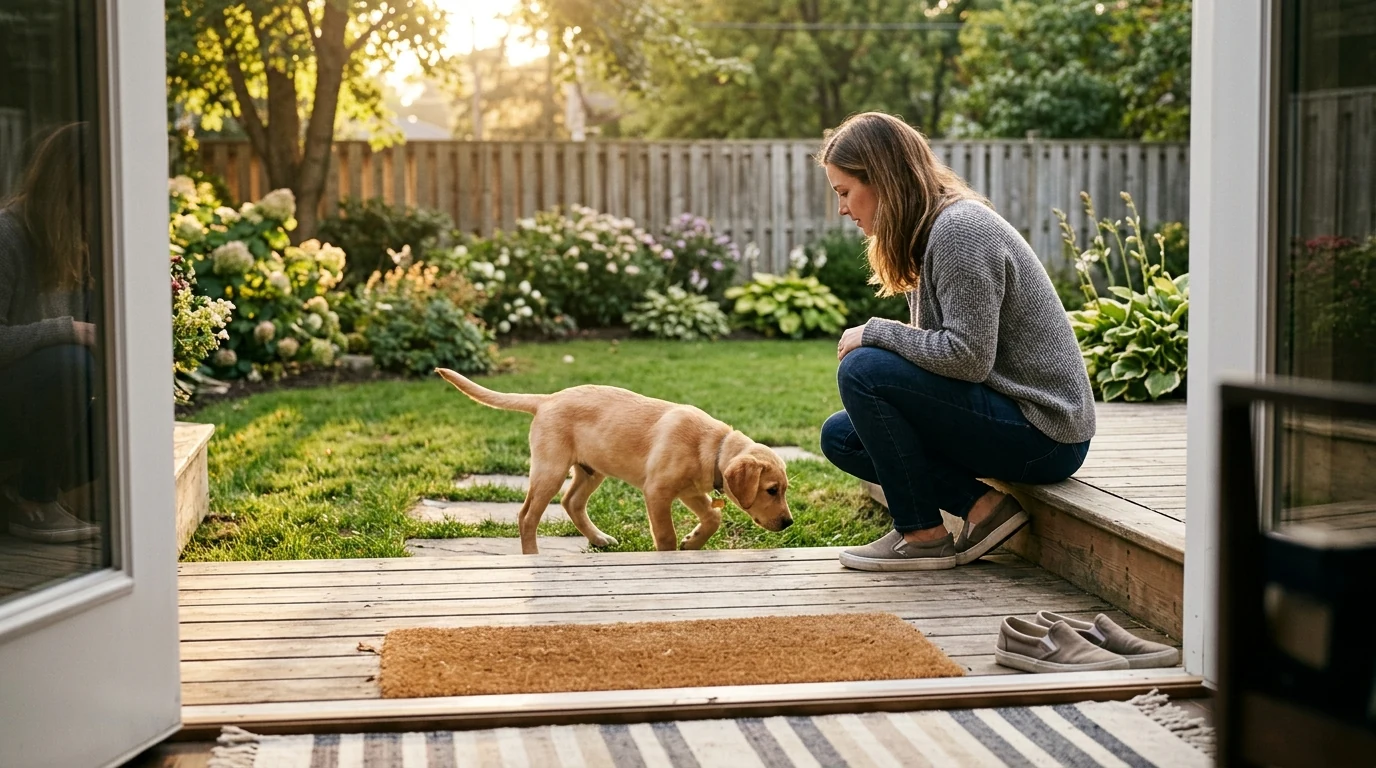
What is the hardest thing to teach a puppy?
For many puppies, the hardest skill to learn is reliable potty training—especially when it has to happen on a human schedule, in different rooms, and under distractions. Puppies don’t naturally understand that “inside” and “outside” have different rules; they learn it through consistent routines, quick rewards, and careful prevention of mistakes.
Why potty training is so challenging
Puppies have small bladders, unpredictable digestion, and limited “hold it” ability. Even a smart puppy can’t succeed if they’re given too much freedom too soon. Accidents often happen when the puppy is:
- Just waking up (nap or overnight)
- Done eating or drinking
- Finished playing or getting excited
- Wandering out of sight for a minute
On top of that, many owners accidentally teach the wrong lesson by scolding after the fact. That usually makes puppies hide to potty rather than learn where to go.
What makes it easier (without making it complicated)
Use a schedule, not guesswork
Take your puppy out on a predictable rhythm (often every 1–2 hours at first), plus after meals, play, training sessions, and sleep. Consistency creates faster pattern recognition than occasional “test runs.”
Manage the environment
Crates and puppy pens aren’t shortcuts—they’re training tools. When a puppy is either supervised or safely confined, they get fewer chances to rehearse accidents. Fewer accidents means fewer bad habits to undo.
Reward the right moment
Praise and treat immediately after your puppy finishes outside. That timing helps your puppy connect the behavior with the payoff. If you wait until you’re back indoors, the lesson gets blurry.
A simple plan helps you stay consistent
Many training problems feel “hard” mainly because the household routine changes day to day. A written schedule for potty breaks, crate time, and basic commands can reduce confusion for both you and your puppy. For a structured approach, follow this printable 4-week puppy training plan that combines potty training, crate training, and key cues into one routine.
FAQ
How long does it take to house-train a puppy?
Many puppies show major improvement in a few weeks, but reliable house-training often takes 2–6 months depending on age, consistency, and supervision. Smaller breeds and very young puppies may need more time because they can’t hold it as long.










Leave a comment