Grow Your Knowledge: Books for Budding Gardeners
What are the best books for learning about growing?
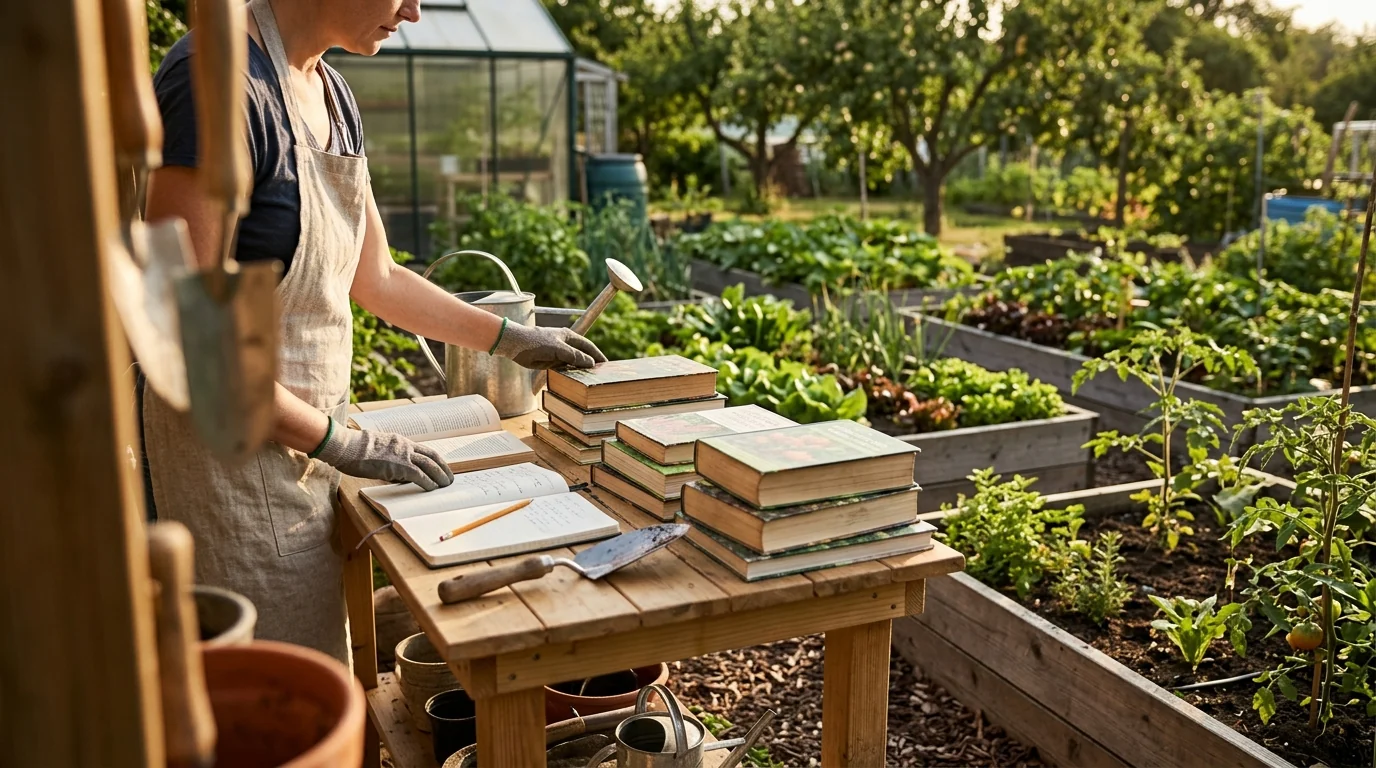
The right book can make growing plants easier to understand, whether you are just starting a garden or helping a child discover how seeds become flowers and vegetables. We recommend choosing a book that matches your experience and the kind of growing you want to try.
Which books help children learn how plants grow?
The Tiny Seed by Eric Carle is a lively introduction to a seed’s journey through the seasons. For clear, colorful explanations of plant parts and seeds, try A Seed Is Sleepy by Dianna Hutts Aston, illustrated by Sylvia Long. Planting a Rainbow by Lois Ehlert is a cheerful choice for exploring bulbs, flowers, and garden colors. These books pair well with a small planting activity: read together, then observe a seed or sprout over time.
What are good beginner books for growing vegetables?
If you want practical guidance, The Vegetable Gardener’s Bible by Edward C. Smith is a broad reference for planning and tending a vegetable garden. For a more focused introduction to how plants work, Botany for Gardeners by Brian Capon explains the science behind everyday growing. These are useful picks when you want more than a story and are ready to connect plant needs with garden decisions.
How should you choose a growing book?
Start with your goal. Choose a picture book for an early introduction, a beginner gardening guide for step-by-step tasks, or a botany book if you want to understand why plants respond to light, water, and soil. Look for an inviting format and clear explanations you can put into practice. A book that encourages observation can be just as useful as one full of instructions.
Can stories support a child’s growth, too?
Yes. Gardening books teach about plants, while imaginative stories can open conversations about patience, kindness, and learning from experience. For a gentle reading companion focused on life lessons, explore our imaginative story collection guide.
FAQ
What is an easy first plant for a child to grow?
Beans are a straightforward choice because their sprouting progress is easy to observe. Plant one in a clear container or a small pot, and invite your child to notice changes as it grows.











Leave a comment