Imaginative PDF Story Collection with Gentle Life Lessons
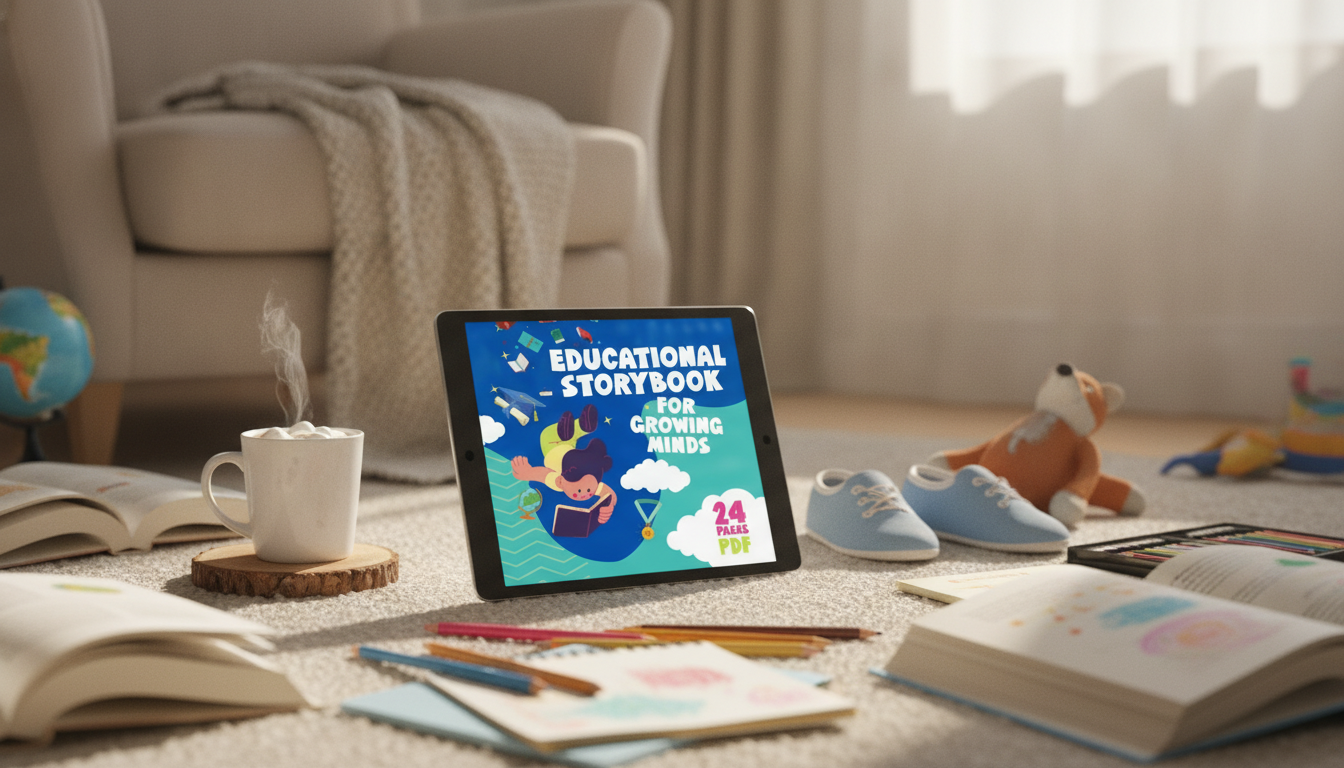
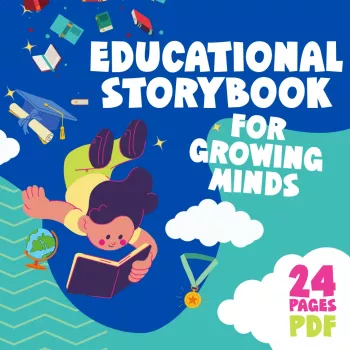
Educational Storybook for Growing Minds: Imaginative Tales With Meaningful Lessons
A digital story collection designed to keep kids engaged while reinforcing everyday values and learning habits. This downloadable PDF format makes it easy to read together at bedtime, use for independent reading practice, or build quick, discussion-based mini-lessons at home or on the go.
What This Story Collection Is
This is a kids eBook story collection delivered as a digital download in PDF format. The stories lean into imagination—adventures, surprises, and playful “what-if” moments—while still landing on clear takeaways about character, choices, and consequences.
- A kids eBook story collection delivered as a digital download in PDF format
- Imaginative stories that pair fun scenarios with clear takeaways (character, choices, and consequences)
- Works well for family read-aloud time, classroom reading centers, or quiet independent reading
- Screen-flexible: read on tablets, phones, laptops, or print selected pages for offline reading
If you’re looking for a ready-to-use option, you can find it here: Educational Storybook for Growing Minds (Digital Download PDF).
Why Imaginative Stories Help Kids Learn
Fiction gives kids a “safe distance” to explore big feelings and tricky decisions. When a character faces a problem, kids can test ideas, notice outcomes, and practice empathy—without the pressure of it being about them.
- Stories provide a low-pressure way to explore emotions, decisions, and problem-solving
- Narratives support vocabulary growth and listening comprehension when read aloud
- Story-based lessons stick longer because they’re tied to characters and outcomes
- Quick discussion prompts strengthen reasoning, empathy, and communication skills
Read-aloud routines are especially powerful for language exposure and connection; practical guidance is available from Reading Rockets. For screen-time balance, the American Academy of Pediatrics offers family-centered media guidance that pairs well with a printable or screen-flexible PDF.
Story-led learning: common skills supported
| Skill area | What kids practice | Easy follow-up after a story |
|---|---|---|
| Reading & language | Vocabulary, sequencing, retelling | Ask for a beginning-middle-end summary |
| Social-emotional growth | Identifying feelings, empathy, self-control | Name how the character felt and why |
| Critical thinking | Cause-and-effect, prediction, choices | Predict an alternate ending and discuss outcomes |
| Values & character | Honesty, kindness, perseverance, responsibility | Share a real-life moment to apply the lesson |
These skill areas align well with widely used social-emotional learning approaches, including the competencies described by CASEL.
How Families Use It Day to Day
The easiest way to make a story collection “work” is to keep it simple and repeatable. A predictable rhythm helps kids settle in faster and makes follow-through easier for adults, even on busy evenings.
- Bedtime routine: read one story and end with a one-minute “lesson talk”
- Independent reading: set a short daily reading goal and add one reflection question
- Sibling or mixed-age reading: older kids read aloud; younger kids answer picture/plot questions
- Car rides or travel: keep the PDF on a device for quick, no-prep reading time
- Calm-down moments: choose a story that supports patience, sharing, or managing frustration
For families who travel often, pairing reading time with simple planning tools can reduce stress. A handy companion resource is the Minimalist Travel Packing Planner (Digital Guide)—especially when you’re trying to keep routines steady on the road.
Simple Discussion Prompts That Extend the Lesson
A great conversation doesn’t need a worksheet. One thoughtful question can turn a fun story into a real-life skill builder—without making it feel like a quiz.
- “What was the problem, and what choices did the character have?”
- “What would you do in the same situation?”
- “What was the consequence of the choice—good or bad?”
- “What’s one small way to practice this lesson tomorrow?”
- For younger readers: “Point to the happiest/saddest moment and explain what changed.”
Keeping prompts short helps kids stay confident. If they answer with one sentence, that still counts—especially when the goal is comfort with expressing ideas.
Digital Download Benefits (PDF Format)
PDF storybooks are built for flexibility: read on a screen when it’s convenient, print when you want paper, and revisit favorites without hunting for missing pages.
What to Expect When Downloading
Who It’s Best For
How It Compares to Other Reading Options
Quick comparison
| Option | Strengths | Trade-offs |
|---|---|---|
| Digital PDF story collection | Instant access, portable, easy to revisit stories | Requires a device unless printed |
| Single physical book | Tactile reading experience, no screen | One story at a time; not as portable in bulk |
| Library borrowing | Low cost, variety | Availability and due dates can interrupt routines |
| Video-based stories | Highly engaging | Less reading practice; can reduce active participation |
A Practical Gift Idea
If you’re building a “travel-ready” gift bundle, adding a simple checklist can help caregivers stay organized. Consider the Pet Travel Essentials Checklist (Printable) for families who also travel with pets.
FAQ
What format is the download, and what devices can open it?
The file is delivered as a PDF digital download. Most phones, tablets, and computers can open PDFs using built-in viewers or common reader apps, and saving it to local or cloud storage makes it easy to access anytime.
Can the pages be printed for offline reading?
Yes—PDFs are typically print-friendly, so you can print selected pages for screen-free reading. Printing options depend on your home printer settings and whether you prefer full pages or a smaller format.
How can a parent turn one story into a quick learning moment?
Read the story together, ask one reflection question (like what choice the character made), and connect it to a real-life moment your child might face. Keeping the chat under five minutes makes it easy to do consistently.











Leave a comment