What Are the 5 Areas of Holistic Development?
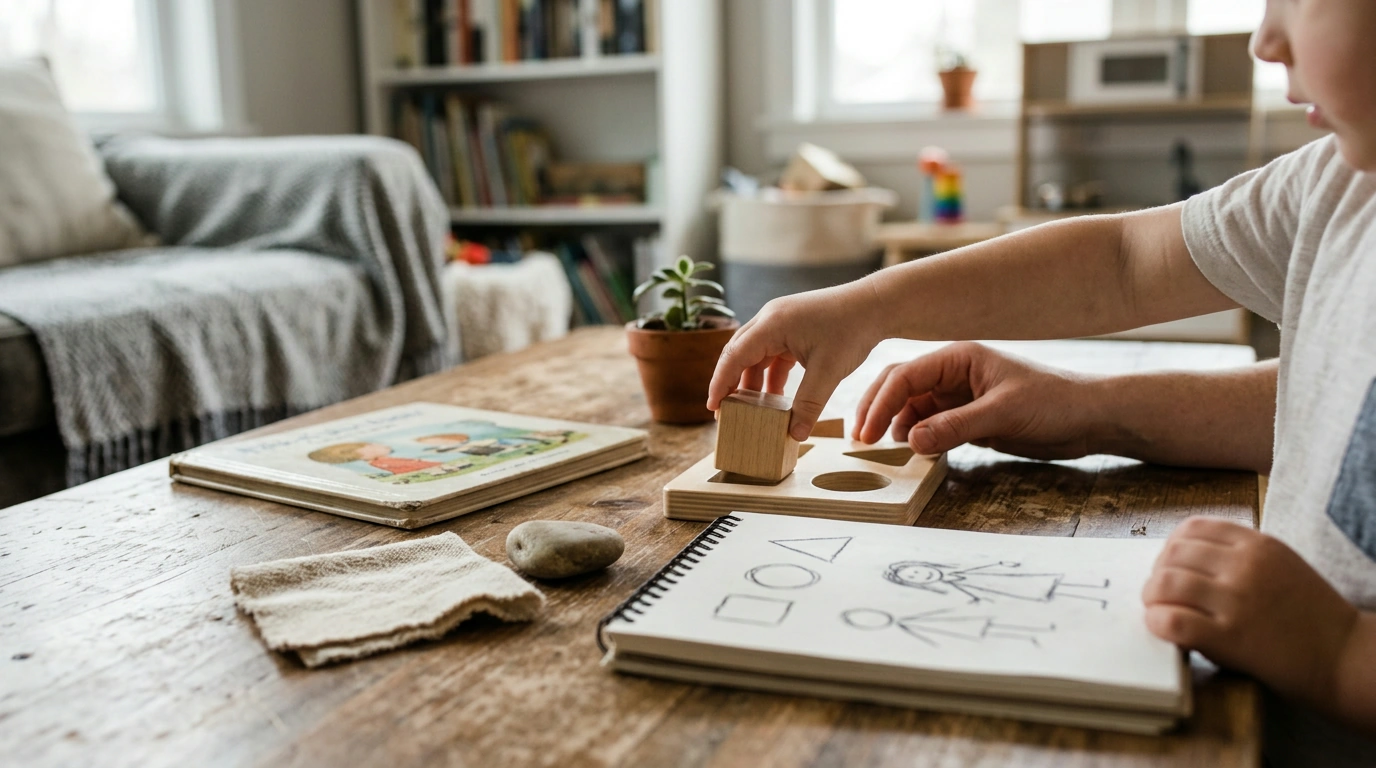
What are the 5 areas of holistic development?
The five commonly recognized areas of holistic development are physical, emotional, social, intellectual, and spiritual development. Together, they describe how you care for your body, understand your feelings, build relationships, use your mind, and connect with a sense of meaning. Different frameworks may name or group these areas differently, but the shared goal is to support the whole person rather than focus on one aspect of well-being.
1. Physical development
Physical development includes movement, nourishment, rest, and everyday habits that support your body. You might build this area by taking a walk, preparing a balanced meal, or choosing a form of exercise you enjoy. Start at a comfortable level and adapt activities to your abilities and any health guidance you have received.
2. Emotional development
Emotional development is the ability to recognize, express, and manage feelings. Naming an emotion, writing in a journal, or pausing before reacting can help you respond more intentionally. Asking a trusted person or mental health professional for support is also a valuable part of emotional care.
3. Social development
Social development involves building communication skills and maintaining healthy connections. Listening attentively, setting boundaries, and making time for supportive relationships can strengthen this area. Social well-being does not require a packed calendar; meaningful contact can be as simple as a thoughtful conversation.
4. Intellectual development
Intellectual development keeps your curiosity and problem-solving skills active. Reading, learning a new skill, exploring a creative hobby, or considering a different perspective can all provide mental stimulation. Choose activities that interest you rather than treating learning as another task to complete perfectly.
5. Spiritual development
Spiritual development centers on meaning, purpose, and connection to your values. For some people, that includes religious practice; for others, it may involve reflection, time in nature, meditation, or community service. You can define this area in a way that feels authentic to you.
How can you support these areas in daily life?
Our approach is to start small and notice how your habits work together. A walk with a friend, for example, can support both physical and social well-being. A notebook can make reflection easier, while a reusable water bottle can help you keep water close throughout the day. Choose simple tools you will use, not a long list of things to buy.
For a beginner-friendly way to put whole-person wellness into practice, explore our 7-day holistic wellness reset.
FAQ
Do you need to work on every area of holistic development every day?
No. You can focus on the areas that need attention now and revisit the others over time. Consistent, manageable habits are more useful than trying to do everything at once.











Leave a comment