Whole You Holistic Wellness: Simple 7-Day Reset for Beginners
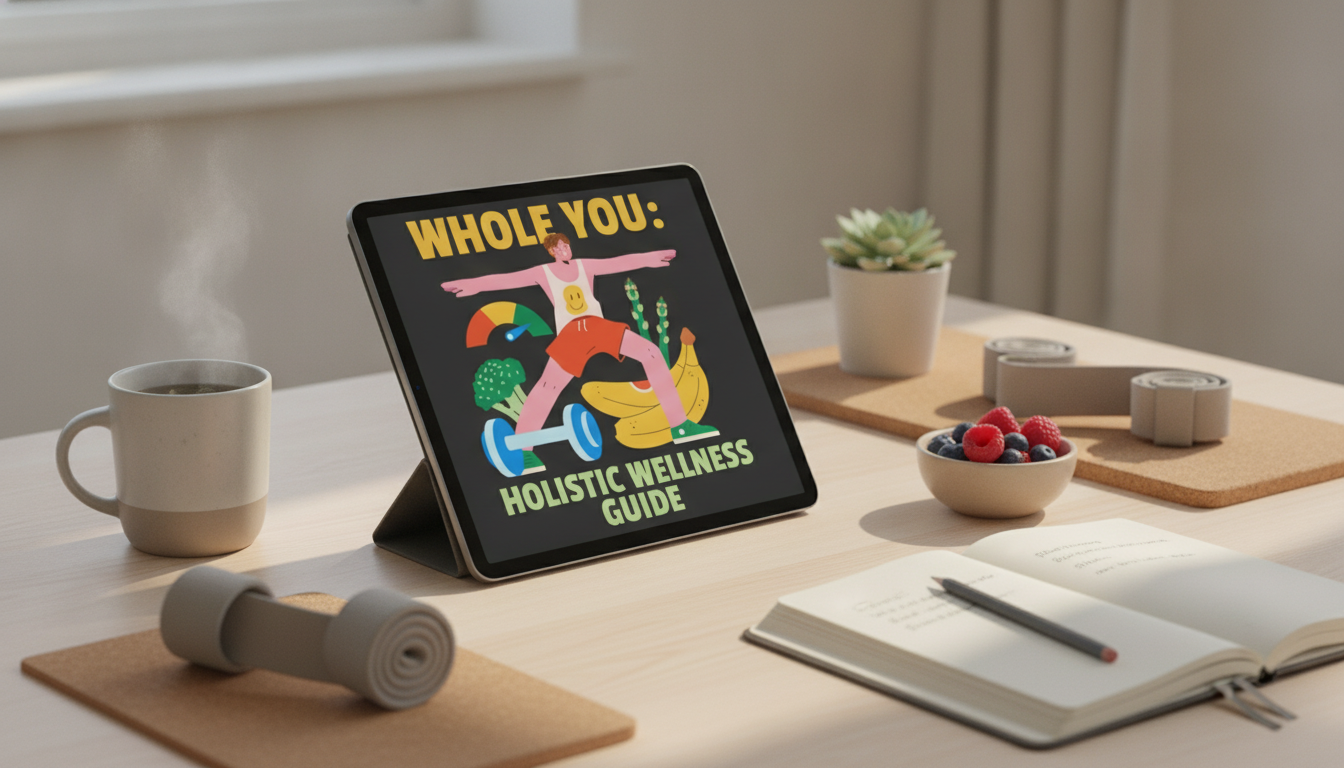
Whole You: A Beginner-Friendly Holistic Wellness Guide for Everyday Balance
Holistic wellness is about how everyday choices—food, movement, mindset, and rest—work together to shape how you feel. For beginners, the hard part often isn’t willpower; it’s knowing what to do first and how to build habits that fit real life. The goal is simple: create a steady baseline that supports energy, mood, and resilience without swinging between extremes.
Below is a practical framework you can start today, plus a straightforward option for following a structured plan using a digital wellness ebook.
What “Holistic” Wellness Means in Real Life
Holistic wellness looks at the full picture: physical health, mental and emotional well-being, stress levels, sleep quality, environment, and day-to-day routines. Because these areas interact, small inputs add up—hydration, meal timing, daily movement, social connection, and recovery can all influence energy and mood.
Balance beats extremes. A sustainable routine usually outperforms short bursts of strict behavior followed by burnout. A helpful mindset is choosing “next best step” actions—one meal, one walk, one boundary, one bedtime—rather than trying to overhaul everything at once.
Holistic Wellness Pillars and Beginner Actions
| Pillar | Beginner Goal | Simple Actions to Try This Week |
|---|---|---|
| Nutrition | Steady energy and fewer cravings | Add protein at breakfast; include a fruit/vegetable at two meals; drink water before coffee |
| Movement | Move daily without overtraining | 10–20 minute walk; short mobility routine; 2 strength sessions using bodyweight |
| Mental health | Lower stress and reactivity | 2-minute breathing practice; short journal prompt; limit doom-scrolling windows |
| Self-care & recovery | Better sleep and resilience | Consistent bedtime; screen-free wind-down; one relaxing activity scheduled |
Start Where You Are: A 7-Day Reset That Doesn’t Feel Overwhelming
A reset works best when it’s simple enough to repeat. Treat this as an experiment: the point is to learn what supports you, not to “do it perfectly.”
- Day 1–2: Set anchors. Pick a consistent wake time, build one balanced meal, and take a short walk.
- Day 3–4: Add structure. Plan two easy meals, schedule two movement sessions, and choose one stress tool to practice daily.
- Day 5–6: Support recovery. Move bedtime earlier by 15–30 minutes, reduce caffeine after midday, and add gentle stretching.
- Day 7: Reflect and adjust. Note what increased energy, what caused friction, and what can be simplified.
Keep it measurable: focus on 2–3 behaviors you can check off daily (walk, protein at breakfast, lights out by a set time) rather than vague goals.
Nutrition Basics for Beginners: Build Plates That Support Your Day
A steady, beginner-friendly approach is aiming for balance: protein + fiber-rich carbs + healthy fats + colorful produce. This combination tends to stabilize blood sugar, support fullness, and reduce the “crash and crave” cycle.
- Easy protein upgrades: Greek yogurt, eggs, beans, tofu, chicken, or fish.
- Go-to fiber carbs: oats, brown rice, quinoa, whole-grain bread/pasta, lentils, and beans.
- Healthy fats that help meals stick: olive oil, nuts, seeds, tahini, and avocado.
- Hydration cue: drink water before each meal (or after each bathroom break) to keep it automatic.
- Plan for real life: keep 3–5 repeat meals and 2–3 repeat snacks that are affordable and quick.
For additional nutrition basics and food-quality guidance, Harvard T.H. Chan School of Public Health’s The Nutrition Source is a reputable place to learn about balanced eating patterns.
Quick Mix-and-Match Meal Framework
| Choose 1 Protein | Choose 1 Fiber Carb | Add Color | Add Healthy Fat |
|---|---|---|---|
| Eggs / tofu / beans | Oats / brown rice / quinoa | Berries / spinach / peppers | Nuts / olive oil / avocado |
| Greek yogurt / cottage cheese | Whole-grain toast / lentils | Banana / tomatoes / mixed greens | Chia / nut butter / seeds |
| Chicken / fish / tempeh | Sweet potato / whole-wheat pasta | Broccoli / carrots / cucumbers | Tahini / pesto / olives |
Exercise That Fits: Movement for Energy, Strength, and Stress Relief
For simple activity guidelines and beginner-friendly ideas, the CDC’s overview of Physical Activity Basics is a helpful reference.
Mental Health and Self-Care: Skills That Make Habits Stick
For mental health resources and context, the World Health Organization’s page on mental health provides an authoritative overview.
Two-Minute Tools for Tough Days
| Situation | Tool | How to Do It |
|---|---|---|
| Feeling overwhelmed | Box breathing | Inhale 4, hold 4, exhale 4, hold 4; repeat 3–5 cycles |
| Racing thoughts | Brain dump | Write everything on your mind for 2 minutes; circle one next step |
| Low motivation | 5-minute start | Commit to only 5 minutes of movement or tidying; stop or continue after |
Using a Simple Digital Plan to Stay Consistent
Helpful Digital Tools to Support Your Routine
- Whole You: Holistic Wellness Guide (digital download) for a balanced, beginner-friendly framework across nutrition, movement, mindset, and recovery.
- The Empowered Budgeting Toolkit (digital download) to reduce money-related stress by adding structure to planning—often an overlooked piece of overall well-being.
Product Snapshot: Whole You Holistic Wellness Guide (Digital Download)
If you want structure without a complicated program, Whole You: Holistic Wellness Guide is designed for beginners who want a practical, balanced approach across nutrition, exercise, mental health, and self-care. It’s easy to start immediately in digital format and useful for building a weekly rhythm: pick one habit per pillar, keep it simple, then expand.
At-a-Glance Details
| Item | Details |
|---|---|
| Title | Whole You: Holistic Wellness Guide | Beginner Wellness Ebook | Digital Download on Nutrition, Exercise, Mental Health & Self-Care |
| Format | Digital download (ebook) |
| Price | 20.99 USD |
| Availability | In stock |
FAQ
Does holistic mean whole body?
Holistic focuses on the whole person: body, mind, lifestyle, and environment—and how they affect each other. For example, poor sleep can raise stress, which can make balanced food choices harder the next day, creating a loop that holistic habits aim to stabilize.












Leave a comment