Eco-Friendly Travel Example: Low-Waste Weekend Trip
What is an example of eco-friendly travel?
An easy, real-world example of eco-friendly travel is a three-day city trip that avoids single-use items and keeps transportation and waste as low as possible. Picture a weekend where you take a train instead of a short-haul flight, walk or use public transit once you arrive, and stay in a hotel or rental that supports basic recycling and energy-saving practices.
A practical example: a low-waste weekend getaway
Start with how you get there: choose rail or bus when possible, since it typically produces fewer emissions per passenger than flying or driving solo. Pack in a small carry-on to reduce overall weight and avoid checked baggage delays that can encourage last-minute purchases.
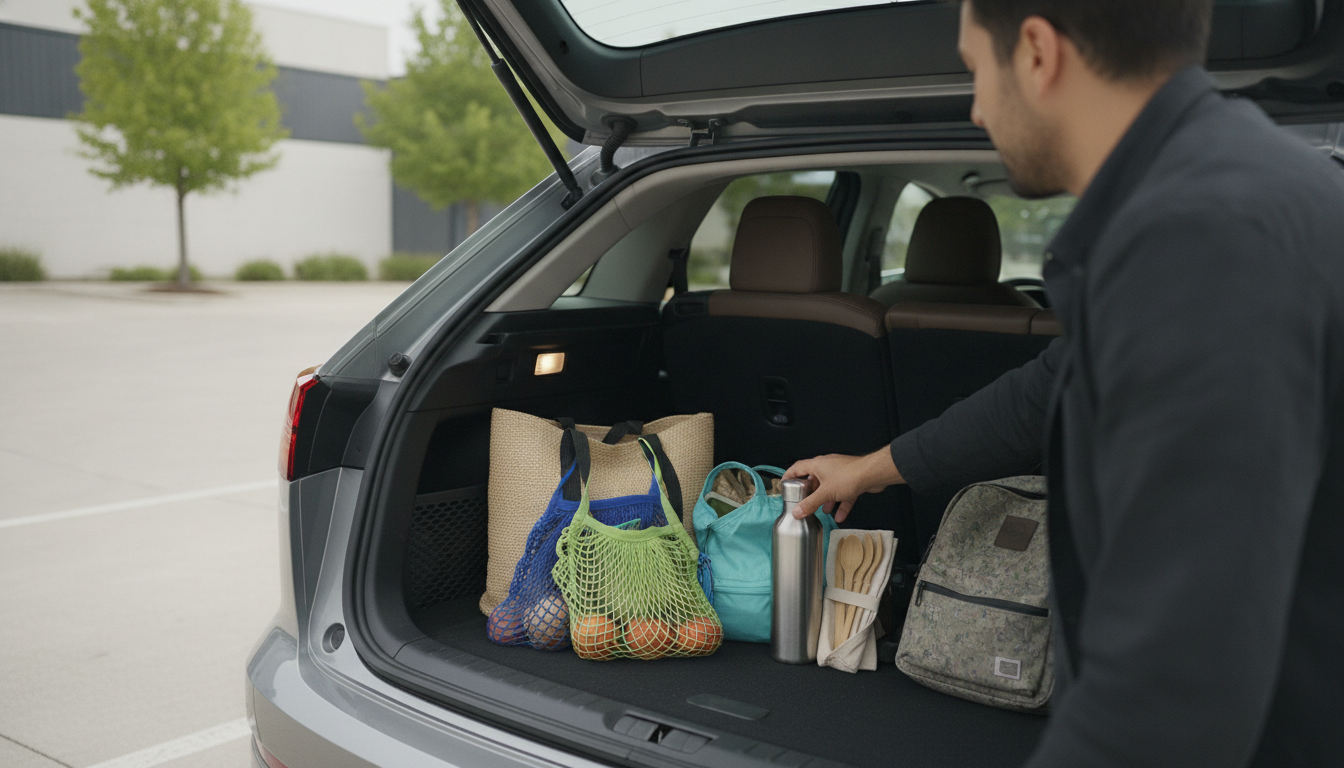
Next, bring a simple reusables kit: a refillable water bottle, a travel coffee cup, a compact utensil set, a cloth napkin or bandana, and a lightweight tote. This lets you skip disposable cups, cutlery, and bags during meals, snacks, and shopping. If you buy street food, ask for “no cutlery” and “no extra napkins,” then use what you brought.
For toiletries, switch to solid options (like shampoo/conditioner bars) or refillable travel bottles. Choose reef-safe sunscreen when swimming and prioritize products with minimal packaging. When you can, use a bar soap or a refill station rather than miniature hotel bottles.
Finally, handle food waste and packaging thoughtfully: eat at places that serve on real plates, opt for dine-in over takeout, and carry a small container for leftovers. If you do need takeout, request no plasticware and use your own container where permitted.
For a deeper, step-by-step packing approach, see this helpful guide: Zero-Waste Travel Checklist: Pack Light, Waste Less.
For Eco-Friendly Travel Example: Low-Waste Weekend Trip, the best answer depends on fit, material, care instructions, and how the product will be used day to day.
FAQ
How can I reduce plastic waste while traveling?
Pack a refillable bottle, utensils, and a tote bag, then decline disposable cutlery, straws, and condiment packets. Choosing dine-in meals and refillable toiletries also cuts a surprising amount of plastic.












Leave a comment