Cat Body Language Cheat Sheet: Read Tail, Ears & Eyes
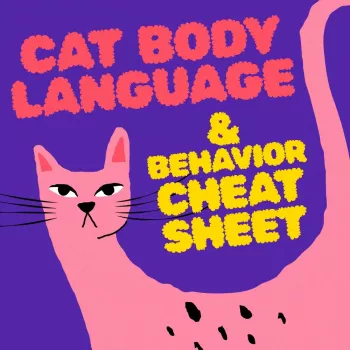
Cats communicate constantly—through tail position, ear angle, eye shape, posture, and sound. Learning to read these cues as a bundle makes daily life smoother, whether you’re petting on the couch, introducing a new roommate, or loading a carrier. A quick-reference guide also helps spot “friendly,” “overstimulated,” or “stressed” signals early so handling, play, and multi-cat interactions stay safer and calmer.
How cats communicate (and why signals come in bundles)
Cat communication is multi-layered. A single meow rarely tells the whole story, and the same signal can mean different things depending on what’s happening around your cat.
- Look for clusters, not one clue: Tail + ears + eyes + body posture usually paints the clearest picture.
- Context changes meaning: Feeding time, visitors, vet trips, and new pets can shift how signals show up.
- Timing matters: A slow tail swish can look calm and “thinking,” while a fast lash is often a warning that patience is running out.
- The goal is prediction: Catching early tension helps prevent bites, scratches, and fear-based reactions.
For a simple reference you can keep by the carrier or feeding station, see the Printable Cat Body Language & Behavior Cheat Sheet.
Face and head cues: eyes, ears, whiskers, and mouth
Eyes and pupils
Slow blinks often show comfort and trust, especially when the rest of the body looks loose. Wide, unblinking eyes can indicate high arousal—fear, excitement, or intense focus (like watching a bird).
Dilated pupils can mean excitement, fear, pain, or simply low light. Before deciding what it “means,” check the ears and body posture. A relaxed cat in a dim room may have big pupils and still be perfectly content.
Ears
Ears forward usually signal interest or curiosity. Sideways (“airplane ears”) often show uncertainty or discomfort. Flattened/pinned ears commonly indicate fear or defensive aggression—especially if paired with a stiff body, growling, or a puffed tail.
Whiskers
Neutral, gently curved whiskers tend to appear in calm cats. Whiskers pushed forward can show alert interest (often hunting/play mode). Whiskers pulled back tight frequently show stress or defensiveness.
Mouth and vocal facial signals
Hissing and growling are distance-increasing signals: the cat needs space. Chattering at birds is commonly excitement mixed with frustration. Lip-licking can indicate anxiety, or sometimes nausea—pair it with other signs like hiding or appetite changes.
Tail talk: position, movement, and what it often means
- Upright tail with a hook tip: often a friendly greeting and social confidence.
- Low or tucked tail: often fear, uncertainty, or possible pain—especially with crouching.
- Puffed “bottlebrush” tail: high arousal, commonly fear. Reduce triggers and give space.
- Slow swish: focused attention (watching, thinking, stalking a toy).
- Rapid lashing: a common “I’m done” sign—overstimulation may be close.
- Thumping on the floor: annoyance. Pause petting and offer choice: space or a toy session.
Posture and movement: friendly, tense, defensive, and playful
Relaxed and comfortable
A relaxed cat looks soft: loose muscles, even weight distribution, a calm face, and natural behaviors like grooming, stretching, or loafing. These are usually “green light” moments for gentle interaction.
Friendly and social
Friendly cats often approach with a curved body, an upright tail, and gentle head rubs. Slow blinks and kneading can also indicate comfort. Let the cat set the pace—offering a hand for a sniff is often better than reaching over the head.
Anxious or tense
Defensive fear
Defensive cats may arch their backs, puff their tails, turn sideways, and hiss. Avoid reaching in or cornering the cat. Create an exit route and remove triggers if possible. For additional cat-friendly handling and home setup guidance, resources from the American Association of Feline Practitioners (AAFP) can be helpful.
Play mode (and when it gets rough)
Meows, purrs, and other sounds: common meanings and patterns
For more behavior context and examples, see guidance from International Cat Care and the ASPCA.
Quick-reference table: signal bundles and what to do next
| What you see | What it can mean | What to do |
|---|---|---|
| Upright tail, soft eyes, slow blink, ears forward | Comfortable and social | Offer calm interaction; let the cat choose contact |
| Tail lashing, ears turning sideways, skin twitching during petting | Overstimulation building | Pause petting; give a break; redirect to a toy |
| Crouched body, pupils large, ears “airplane,” hiding | Anxiety or uncertainty | Reduce pressure; provide hiding spots; speak softly; avoid forced handling |
| Arched back, puffed tail, hissing, sideways stance | Defensive fear; “stay away” | Back up; block access to triggers; allow escape route; avoid cornering |
| Stiff posture, hard stare, low growl | Escalating conflict | Separate animals; interrupt with distance and barriers; reintroduce slowly |
| Chirping at window, crouch, tail tip twitch | Hunting excitement/frustration | Offer an interactive toy session; provide perches and enrichment |
Using a printable cheat sheet at home
If travel tends to trigger stress signals, planning ahead can reduce surprises. The Pet Travel Essentials Checklist for Safe Trips can help keep carriers, food, meds, and comfort items consistent.
When behavior may signal pain, illness, or severe stress
FAQ
Why does my cat purr but still seem tense?
Purring can happen during comfort, but it can also be a self-soothing response to stress or pain. Check for tense posture, pinned or sideways ears, hiding, reduced appetite, or sudden changes, and contact a veterinarian if the behavior is new or concerning.
What does a twitching tail tip mean?
A gently twitching tail tip often signals focused interest or mild irritation. If the movement speeds up into swishing or lashing—especially with ear turns or skin twitching—pause petting and reassess the whole body for overstimulation.
How can overstimulation bites be prevented during petting?
Keep petting sessions short and stop at early signs like tail lashing, skin rippling, or ears rotating sideways. Offer choice (let the cat approach again) and redirect energy to a toy instead of using hands, and avoid areas your cat consistently reacts to.










Leave a comment