Start Small: How to Launch a Side Hustle That Sells
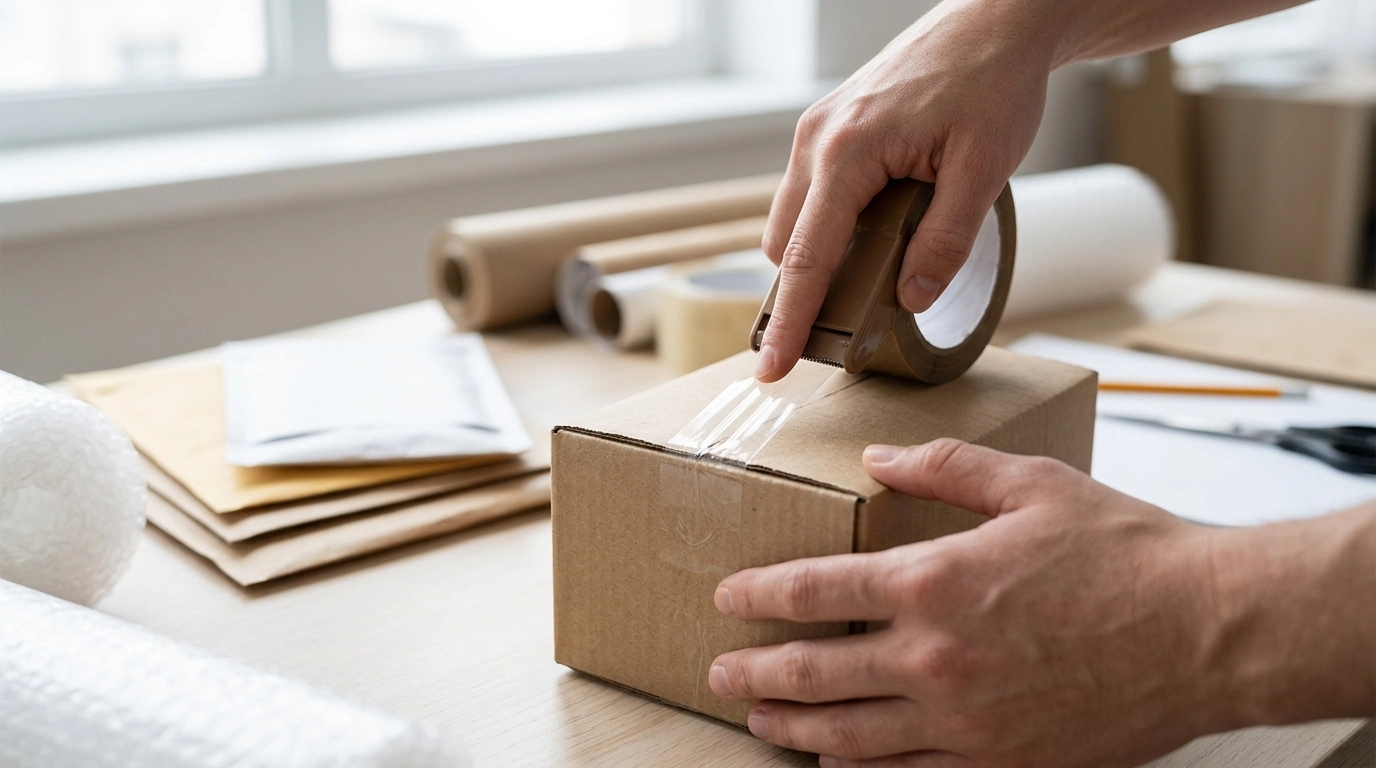
A side hustle becomes easier to launch when you treat it as a small experiment, not a full-scale business. Start with one clear offer, find a few real customers, and let their feedback guide what you build next.
What should you decide before you spend?
Choose a specific customer and a problem you can solve for them. “Custom meal prep for busy parents” is easier to test than “food business,” because you can identify who might buy and what you’ll offer. Decide whether you’re selling a service, a physical product, or a digital product, then keep the first version focused.
Set a modest spending limit before buying supplies or software. For a product-based hustle, start with a small batch or a made-to-order option when practical. For a service, use the tools you already have until a customer need justifies an upgrade.
How can you test your offer quickly?
Write a simple offer that explains the result, price, and next step. Share it with people who fit your intended audience and ask whether they would pay for it—not just whether they like the idea. A small paid order or booking is a stronger signal than compliments.
You can use a basic page, form, or direct message to collect inquiries and payments. Keep the process easy: state what’s included, how delivery or scheduling works, and how customers can reach you. Our guide to launching a side-hustle MVP and finding your first customers walks through a simple funnel for this early test.
Where do you find your first customers?
Begin with one or two channels where your likely customers already spend time. That might mean personal referrals, a local community group, a marketplace, or a focused social account. Share a useful example of your work and a direct invitation to try the offer. Avoid spreading yourself across every platform before you know which one brings meaningful conversations.
What should you improve after the first sale?
Deliver what you promised, then ask the customer what was useful and what felt confusing. Track the time and cost required to fulfill each order so you can see whether the price makes sense. Improve one thing at a time—such as the offer description, delivery process, or product packaging—before adding more options.
FAQ
What should you track during your first month?
Record inquiries, paid orders, revenue, expenses, and the time spent delivering your offer. These simple numbers help you see whether demand and workload support continuing or adjusting the idea.











Leave a comment