Talk & Connect Workbook: Best Ages 6–13 (Plus Tips)

What age range is the Talk & Connect parent-child communication workbook best for?
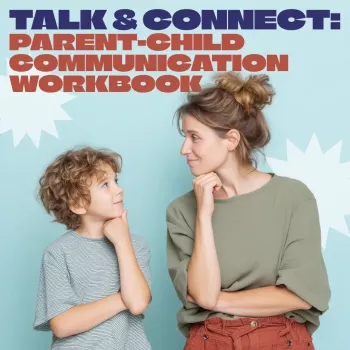
The Talk & Connect parent-child communication workbook is best suited for elementary through early teen years—roughly ages 6 to 13—because it’s built around short, guided prompts that work well once kids can follow simple directions, name feelings, and reflect on everyday situations. Within that range, the activities can be adjusted up or down depending on your child’s reading level and comfort talking about emotions.
Why ages 6–9 tend to be the easiest starting point
For many families, the “sweet spot” is the early school years. Kids around 6–9 can usually handle brief questions, choose from feeling words, and talk through a recent moment (like a disagreement with a sibling or a stressful morning). At this stage, parents can read prompts aloud and keep answers simple, which makes the workbook feel more like a conversation than “homework.”
How it fits preteens and early teens (10–13)
Older kids often do well with the same prompts but benefit from extra space to explain their side and set personal boundaries. Preteens and early teens may prefer writing some responses privately first, then discussing them together. This age group can also handle more nuanced topics—misunderstandings, tone of voice, peer pressure, or expectations—without the discussion getting overwhelming.
Can younger children use it?
Yes, with support. For ages 4–5, the workbook can still be useful if a parent reads everything aloud, simplifies choices, and keeps sessions short (5–10 minutes). Using drawings, stickers, or “point to the feeling” options can help children participate even before they’re fully comfortable expressing emotions verbally.
Choosing the right level for your child
The best gauge isn’t a birthday—it’s whether your child can identify basic feelings, answer a simple “what happened?” question, and tolerate gentle back-and-forth without shutting down. If that’s true, Talk & Connect can be a steady, low-pressure way to practice communication.
For a fuller breakdown of how the workbook works and what’s inside, visit the Talk & Connect parent-child communication workbook guide.
FAQ
How long should each Talk & Connect session last?
Most families get the best results with 10–20 minutes at a time. Short, consistent sessions are often more effective than long talks that feel intense or tiring.











Leave a comment