What Are 5 Study Skills? Practical Habits for Learning
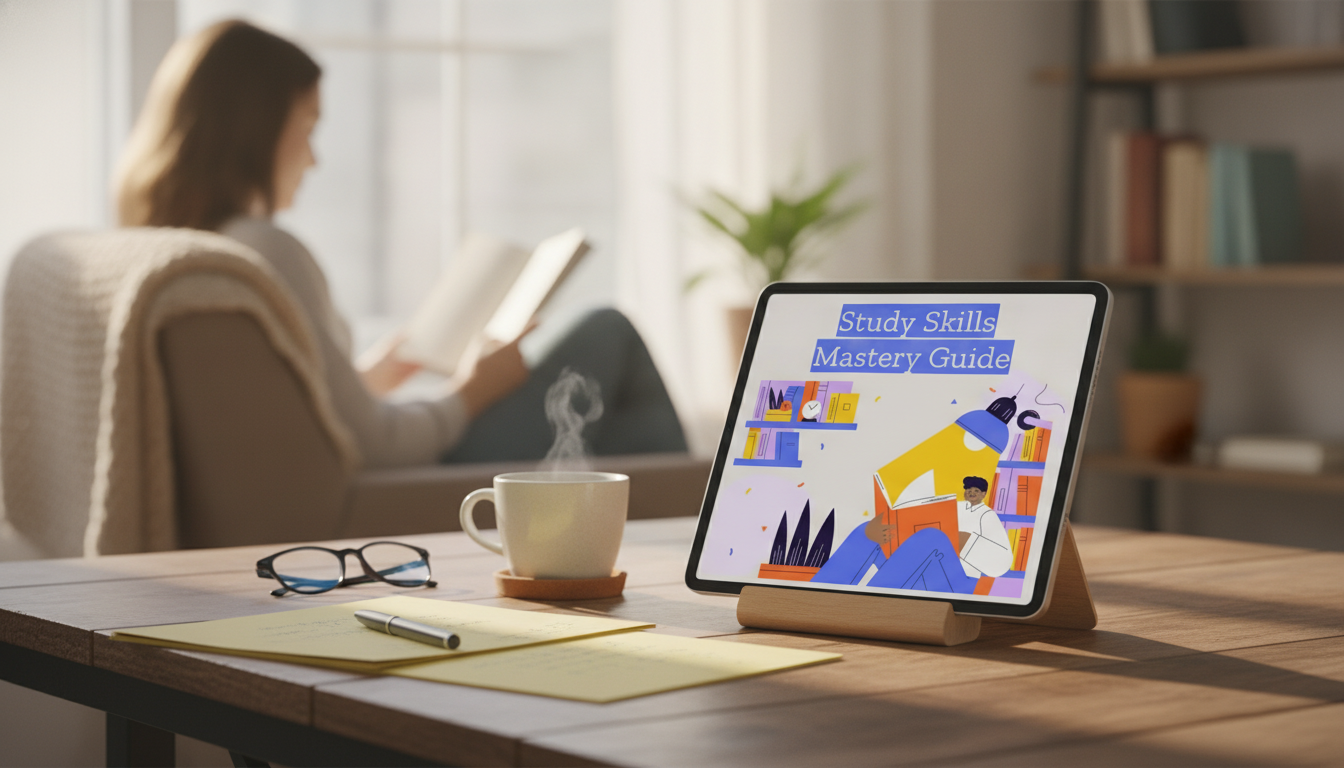
What are 5 study skills?
Five useful study skills are planning your time, taking effective notes, reading actively, practicing retrieval, and reviewing material over time. Together, they help you understand new information, remember it longer, and prepare for assignments without relying on last-minute cramming.
You do not need to master all five at once. Start with the skill that addresses your biggest obstacle, then add another as your routine becomes more comfortable.
1. Planning your time
Time management turns a large assignment into smaller, workable steps. Write down due dates, estimate how long each task may take, and schedule study sessions before deadlines arrive. Leave some extra time for difficult topics or unexpected interruptions.
A paper planner, wall calendar, or simple task list can keep your priorities visible. Choose a format you will actually use, and review it at the start of each week.
2. Taking effective notes
Good notes capture key ideas rather than every word. Use short phrases, headings, and examples to organize information in your own words. After class or a reading session, add questions or a brief summary to clarify anything that needs another look.
A notebook with room for summaries or loose-leaf pages you can rearrange may make it easier to keep related material together.
3. Reading actively
Active reading means engaging with the material instead of simply moving your eyes across the page. Preview headings, ask what you expect to learn, and pause after each section to explain its main point. Highlight sparingly so important details remain easy to find.
4. Practicing retrieval
Retrieval practice strengthens your ability to recall information without looking at the answer. Close your notes and explain a concept aloud, answer practice questions, or use flashcards. Then check your work and focus on the points you missed.
5. Reviewing over time
Spread review sessions across several days or weeks rather than covering everything in one sitting. Revisit material after your first study session, then return to it again as you prepare for a test. Short, spaced sessions also make it easier to notice what you have forgotten.
For a broader approach to building these habits, explore our guide to a study skills system for focus, memory, and better results.
FAQ
How can you stay focused while studying?
Choose a quiet workspace, put distracting notifications out of reach, and set a specific goal for each session. Take a short break when your attention starts to fade, then return to the task.












Leave a comment