What Are Study Skills PDFs? Tools and Tips
What are study skills PDFs?
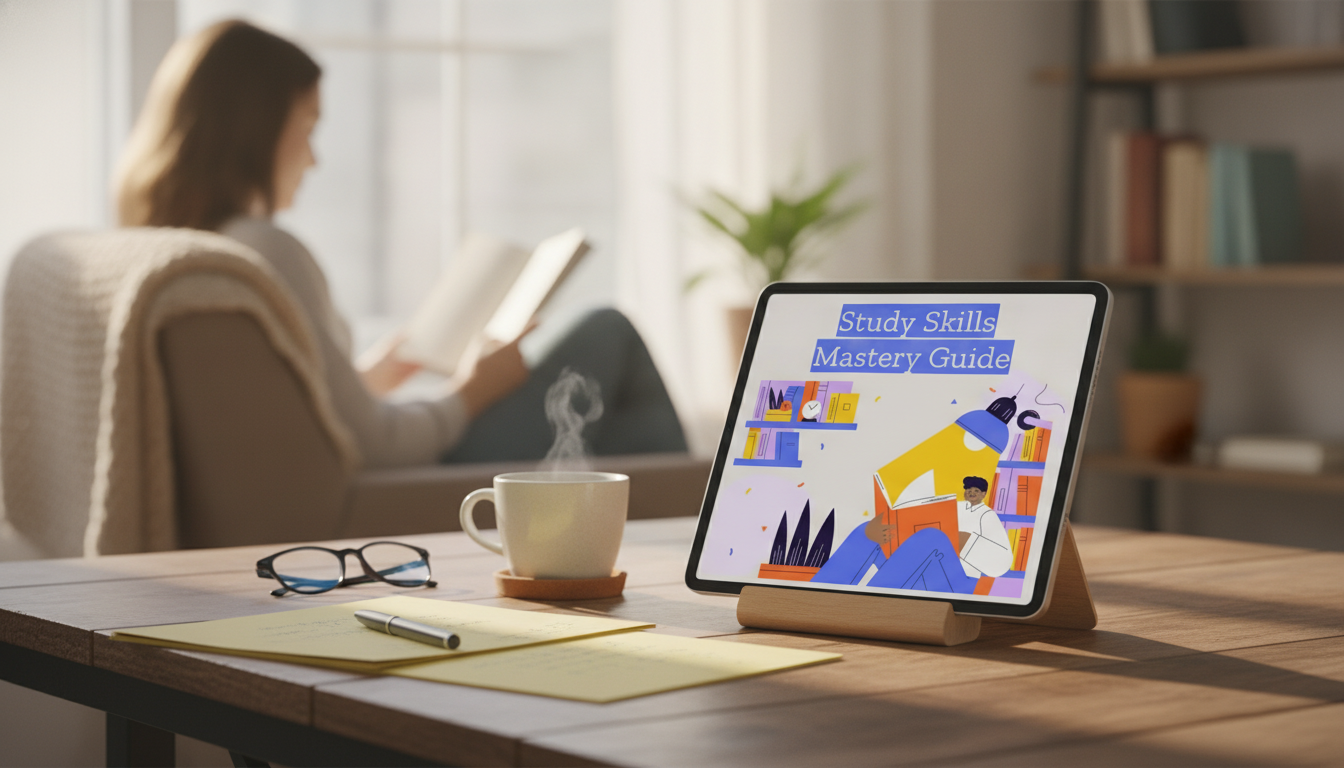
Study skills PDFs are digital documents that help you plan, practice, and improve how you learn. They may include study schedules, note-taking templates, memory exercises, reading strategies, or worksheets for preparing for tests. Because they use the PDF format, you can usually read them on a device or print them for use on paper.
We see these resources as tools rather than shortcuts. A useful PDF gives you a clear action to take, whether that means organizing a week of assignments or testing what you remember after a reading session.
What can you find in a study skills PDF?
Different resources focus on different parts of learning. You might find:
- Planning pages: Calendars, assignment trackers, and prompts for breaking larger projects into manageable tasks.
- Note-taking guides: Structures for recording main ideas, supporting details, and questions to revisit.
- Memory practice: Prompts for recalling information without looking at your notes and reviewing it again over time.
- Reading support: Steps for identifying key points, summarizing a passage, and checking your understanding.
- Test preparation: Checklists and practice questions that help you decide what to review next.
How do you choose a useful PDF?
Start with the skill you want to improve. If deadlines are hard to manage, choose a planner with space for due dates and smaller action steps. If you understand material while reading but struggle to recall it later, look for a resource with self-testing or review prompts.
Consider the format, too. A printable worksheet can be helpful if you prefer writing by hand, while a document you can annotate on your device may suit a digital routine. Some PDFs are designed for specific ages, subjects, or courses; others offer general strategies you can adapt.
How can you use one effectively?
Choose one or two pages and build them into your existing routine. For example, use a planning sheet at the beginning of the week, then use a recall worksheet after each study session. Keep the process simple enough that you can repeat it.
Our team recommends reviewing what works after a few sessions. Keep the tools that help you stay focused and adjust the ones that add unnecessary steps.
Explore our guide to a study skills system for focus, memory, and better results.
FAQ
How often should you review your study notes?
Review your notes soon after learning the material, then revisit them at spaced intervals. Try recalling the main ideas before checking your notes so you can identify what needs more practice.











Leave a comment