Top 5 Study Techniques for Better Learning
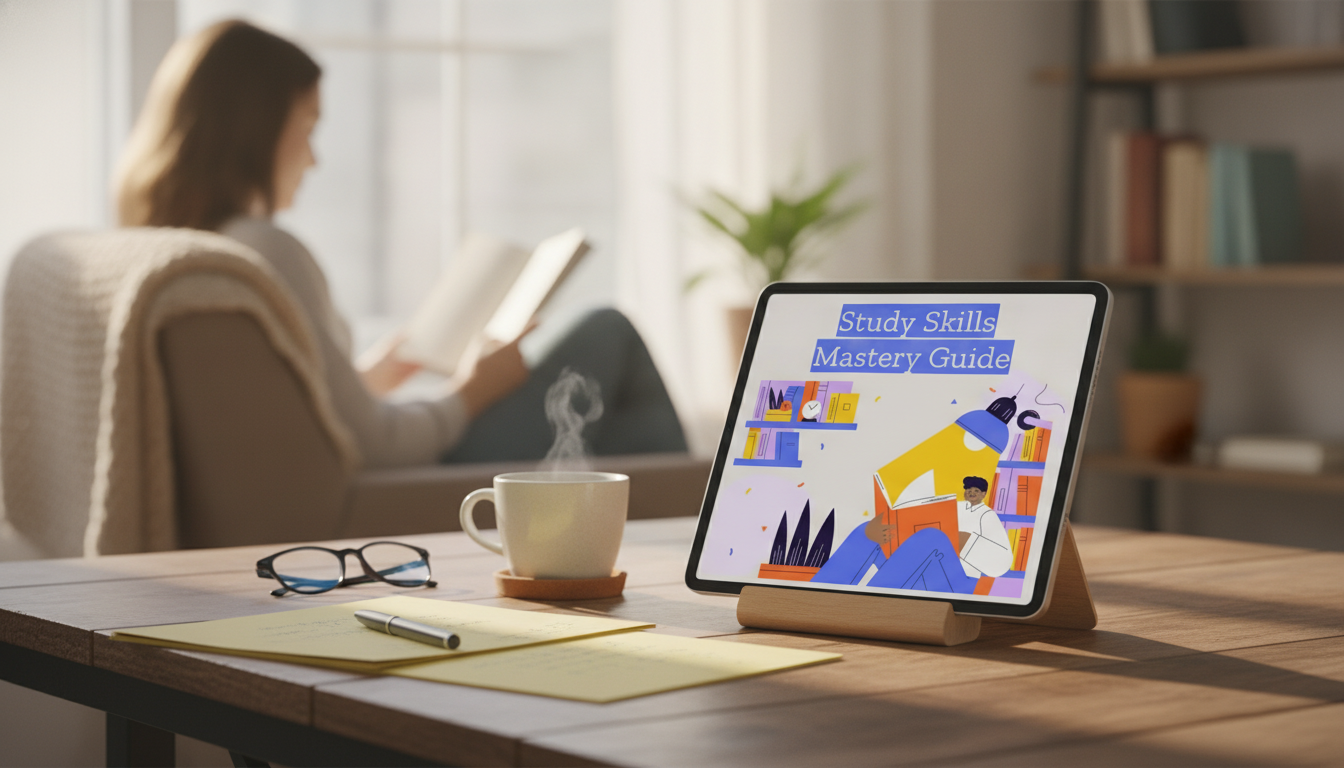
What are the top 5 study techniques?
The top five study techniques are active recall, spaced repetition, practice testing, interleaving, and elaboration. Each one asks you to work with information rather than simply reread it. We recommend combining them in a routine that fits your schedule and the material you need to learn.
1. Active recall: Retrieve information from memory
Close your notes and explain a concept in your own words, write down what you remember, or answer a question without looking. Then compare your response with your materials and correct any gaps. Flashcards work well when the prompt requires a specific answer rather than a simple feeling of recognition.
2. Spaced repetition: Return to material over time
Review the same information across several sessions instead of concentrating all your studying into one long stretch. Start with a short review soon after learning, then revisit it after progressively longer intervals. Spend more time on items you miss and less on those you consistently remember.
3. Practice testing: Rehearse the task
Use practice questions, old assignments, or problems you create yourself to check what you can do independently. If you are preparing for an exam, include questions that resemble its format and try some under a time limit. Review why each incorrect answer was wrong before moving on.
4. Interleaving: Mix related topics or problem types
Once you understand the basics, alternate between related skills rather than completing a large block of identical exercises. For example, mix different types of math problems so you must decide which method to use. Keep track of patterns in your mistakes to guide your next review.
5. Elaboration: Connect ideas and explain why
Ask how a new idea relates to something you already know, or explain why a process works. Create an example from everyday life, then check that the connection accurately reflects the material. This approach is especially useful for subjects that require explanation, not just memorization.
How can you put these techniques into a routine?
Begin with a focused session on one topic, then close your notes and retrieve its main ideas. Add missed points to a review list, return to them over the following days, and mix in practice questions from related topics. Our team recommends adjusting the length and frequency of sessions to your workload. For a broader plan, explore our study skills guide to focus, memory, and better results.
FAQ
How long should a study session be?
Choose a length that lets you focus without rushing, then take a short break before continuing. You can start with 25 minutes and adjust based on the task and your attention.












Leave a comment