Best Drinks for Anxiety: Calming Options to Try
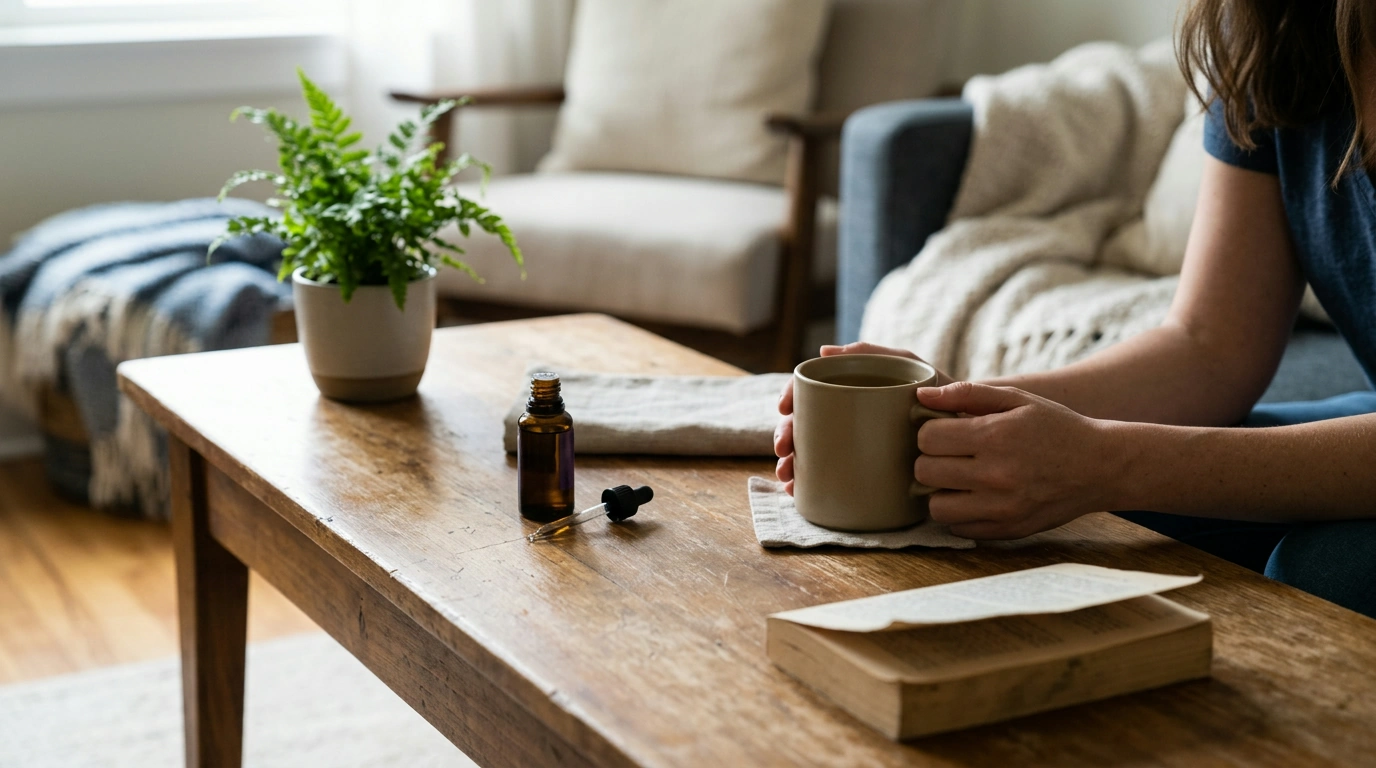
What is the best thing to drink for anxiety?
Water is a good first choice when you feel anxious, especially if you have not had much to drink. Dehydration can leave you feeling uncomfortable or tired, and a glass of water is an easy way to care for yourself. It will not cure anxiety, but drinking it slowly can give you a moment to pause.
If you want something warm, caffeine-free herbal tea is another option. The best drink is one you enjoy, can tolerate, and can reach for without adding more caffeine or alcohol to your day.
Which calming drinks are worth trying?
Caffeine-free herbal tea
Chamomile, peppermint, and lemon balm teas offer a soothing ritual without the stimulant effects of caffeine. Choose a flavor you like and take a few minutes to sip it. Chamomile may not be suitable if you have a ragweed allergy, and some herbs can interact with medicines. If you are pregnant, nursing, or taking medication, ask a healthcare professional before using herbal products regularly.
Warm milk or a non-dairy alternative
A warm mug of milk or a fortified non-dairy drink can be comforting, particularly when paired with a quiet break. Choose an unsweetened option if you prefer, and avoid ingredients that do not agree with you.
Plain or flavored water
If plain water is unappealing, add a slice of lemon or try unsweetened sparkling water. Keep a glass or reusable bottle nearby so drinking enough feels convenient rather than like another task.
What drinks can make anxiety feel worse?
Coffee, energy drinks, and some teas contain caffeine, which can increase jitteriness, a racing heartbeat, or anxious feelings in some people. If you notice a connection, try reducing your intake gradually or switching to decaf. Alcohol may feel relaxing at first, but it can make anxiety worse later and is not a reliable way to manage it.
How can you make a drink part of a calming routine?
While your drink cools, put both feet on the floor and take a few slow breaths. You can also write down what is on your mind or use a simple grounding exercise. Our guide to our anxiety relief bundle and printable calm tools offers ideas for building a routine you can return to.
If anxiety is persistent, interferes with daily life, or feels difficult to manage, reach out to a healthcare professional. Drinks and calming routines can support you, but they are not substitutes for treatment.
FAQ
Can caffeine make anxiety worse?
Yes. Caffeine can cause jitteriness or a racing heartbeat, which may make anxiety feel more intense for some people.






Leave a comment