Mindfulness Journal Essentials: What to Write Each Day
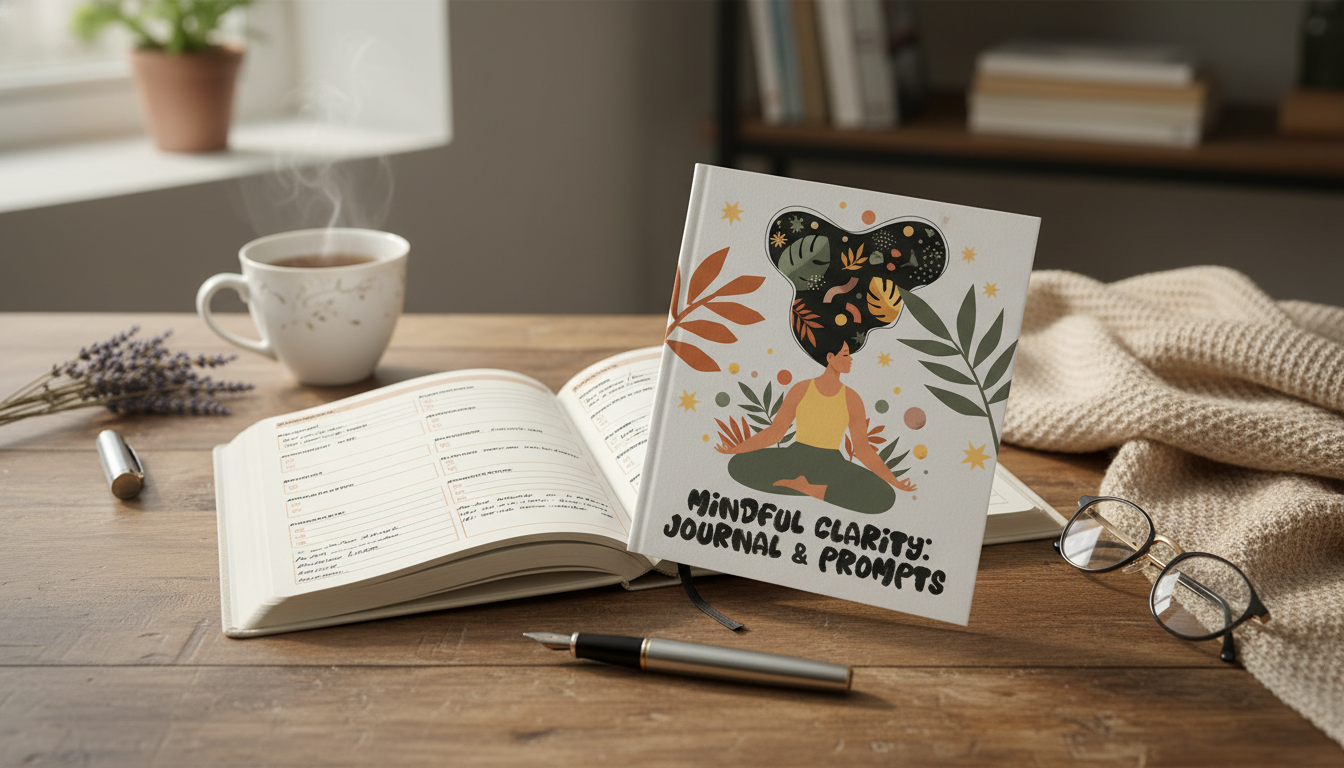
What to Include in a Mindfulness Journal
A mindfulness journal works best when it gives you just enough structure to notice what’s happening right now—without turning your practice into homework. Our team recommends combining quick check-ins (so you’ll actually use it daily) with a few prompts that guide your attention back to your body, breath, and environment. If you want a ready-to-print layout that keeps things simple, you can also use our guide here: 10-Minute Printable Journal for Calm.
1) Date, time, and a one-line intention
Start with when you’re writing and a single intention such as “slow down,” “listen,” or “be present.” Keeping it to one line prevents overthinking and gives your session a clear direction.
2) A short grounding scan
Include a few lines for what you notice through your senses: 3 things you see, 2 things you hear, 1 thing you feel in your body. This shifts you out of autopilot and into immediate experience.
3) Breath and body notes
Add space to record your breath (tight, steady, shallow) and where you feel tension. A simple “top 2 tight spots” list helps you track patterns and choose a calming action later.
4) Thoughts and emotions—named, not judged
Use two quick fields: “dominant thought” and “dominant emotion.” Labeling (“worry,” “sadness,” “anticipation”) creates distance from the feeling while keeping you honest about what’s present.
5) A gentle reframe or self-compassion line
Give yourself one sentence you’d say to a friend: “It makes sense I feel this way,” or “I can handle the next small step.” This keeps mindfulness supportive rather than analytical.
6) One mindful action for the next hour
End with a specific, doable action: drink water slowly, stretch for 2 minutes, take three deep breaths before your next task. The journal should lead to practice, not just reflection.
Optional add-ons (if you like more structure)
Try a gratitude line, a “what I can control today” box, or a habit tracker for meditation, walks, or screen breaks. If your journaling time is limited, keep these optional so they don’t derail consistency.
FAQ
How often should you write in a mindfulness journal?
Daily is ideal, but consistency matters more than frequency. If daily feels like too much, aim for 3–4 times a week or a quick 3-minute entry on busy days.












Leave a comment