Cat Stress Body Language: Signs of Fear & What to Do
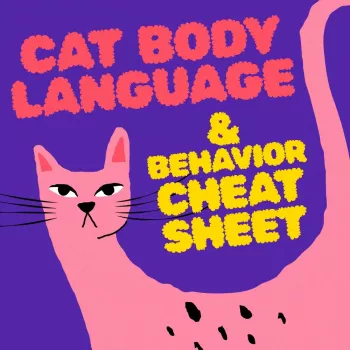
How can I tell if my cat is scared or stressed from body language?
Cats rarely “act out” without warning—most give a quiet chain of body-language clues first. The key is to look at the whole picture (ears, eyes, tail, posture, and movement) and how quickly it changes. A single signal can mean different things, but several stress signals happening together usually indicates fear or overwhelm.
Common scared or stressed signals to watch for
Ears: Ears turned sideways (“airplane ears”) or pinned flat back often show fear, irritation, or defensive stress. If the ears keep flicking or flatten more as you approach, your cat may be trying to create distance.
Eyes: Wide, round pupils and a fixed stare can signal alarm. Some stressed cats also avoid eye contact and keep their gaze darting around, as if monitoring for threats.
Tail: A tail tucked tightly under the body typically points to fear. A tail that’s low and stiff, or swishing sharply back and forth, often suggests agitation and rising stress (not playful wagging like a dog).
Body posture: A crouched body close to the ground, weight shifted back, and muscles tense can mean your cat is ready to flee. Some cats go the opposite direction and “make themselves bigger” with an arched back and puffed fur when they feel threatened.
Movement and hiding: Freezing in place, creeping slowly, sudden dashing away, or retreating under furniture are common fear responses. If your cat is normally social but starts hiding more, stress is a likely cause.
What to do in the moment
Give your cat space and an easy escape route. Reduce noise and movement, avoid reaching over their head, and let them approach on their own terms. If the signs show up frequently, look for triggers (new pets, visitors, loud appliances, scents, or changes in routine) and address those first.
For a quick visual breakdown of ear, eye, and tail positions and what they usually mean, visit the full guide: Cat Body Language Cheat Sheet (Tail, Ears, Eyes).
FAQ
Why does my cat’s tail swish when I pet them?
A sharp, repetitive tail swish often means overstimulation or irritation, even if your cat stayed put at first. Pause petting, give them a moment, and watch if the tail relaxes or if other stress signs (pinned ears, tense body) appear.








Leave a comment