How to Say “I Love You” in Cat Language (6 Signals)
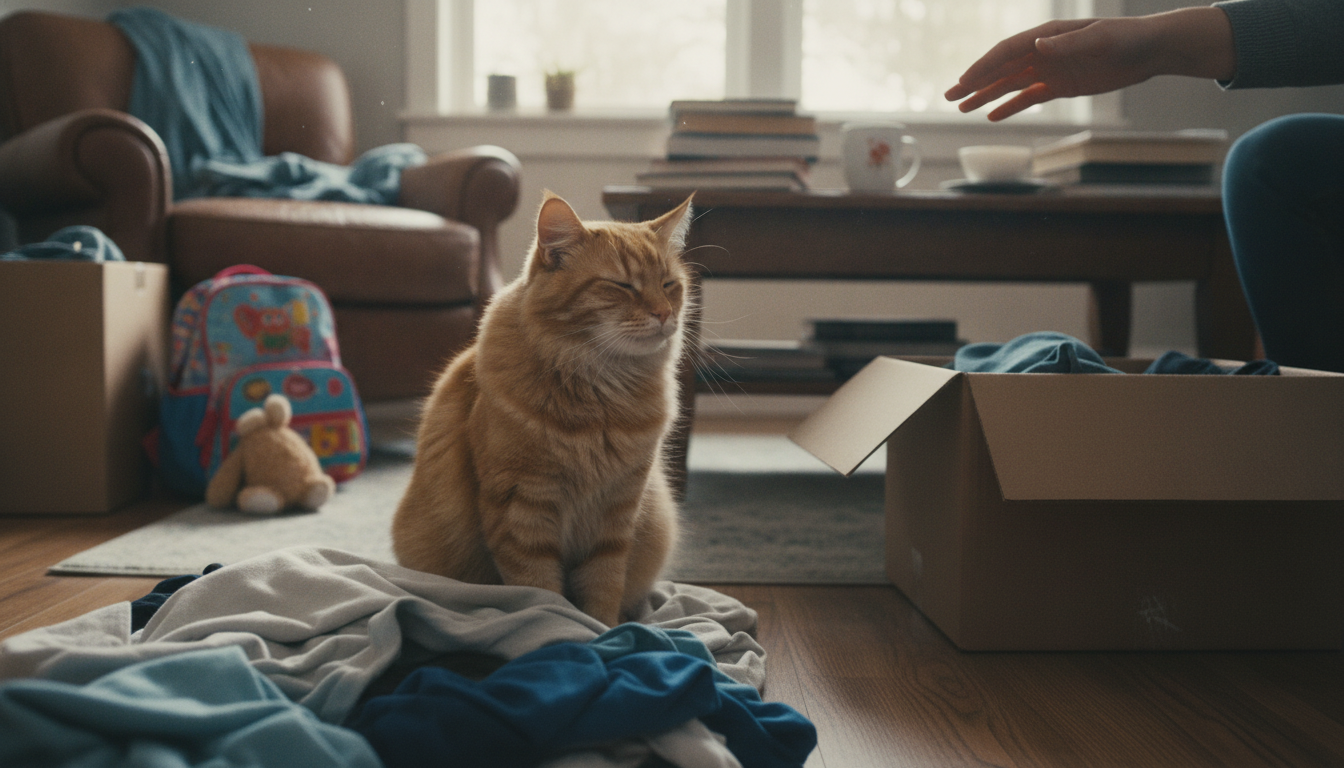
How do I say “I love you” in cat language?
Cats don’t “say” love with words—they show it through relaxed body language, gentle contact, and trust. To tell a cat “I love you,” mirror the signals cats use with each other: calm eyes, respectful space, and predictable affection. The goal is to help your cat feel safe, not overwhelmed.
Answer
1) Do the slow blink. Look at your cat softly, then slowly close your eyes and open them again. This is one of the clearest cat-friendly ways to communicate comfort and affection. If your cat slow-blinks back, that’s a strong “love you too” signal.
2) Offer a gentle “head bump” alternative. Cats show closeness by bunting—rubbing their cheeks or forehead on you. You can invite this by holding still and offering a finger or the side of your hand near their cheek. Let your cat initiate; forcing contact can read as pushy instead of loving.
3) Use a quiet, friendly voice. A soft tone and slower pace can feel reassuring. Many cats respond best to calm, higher-pitched “friendly” speech rather than loud excitement.
4) Respect their boundaries (this is a big one). Pulling away, flicking tail, flattened ears, or tense posture often means “too much.” Stopping petting when your cat signals discomfort is a powerful way to communicate trust and care.
5) Pet where most cats enjoy it. Many cats prefer cheeks, under the chin, and the base of the ears. Full-body strokes, belly rubs, or tail handling can be overstimulating unless your cat clearly enjoys it.
6) Show love with consistency. Predictable routines—meals, play sessions, and calm check-ins—are “love” in cat language because they reduce stress and build security.
Want to get better at reading the response you’re getting back? Use this cat body language cheat sheet to decode tail, ears, and eyes so your “I love you” lands the right way.
FAQ
Why does my cat lick me?
Licking can be social grooming, a comfort habit, or a way to mix scents. If licking turns into nibbling or your cat seems overstimulated, gently redirect with a toy or a short break.











Leave a comment