Play vs Aggression: Decode Cat Body Language Fast
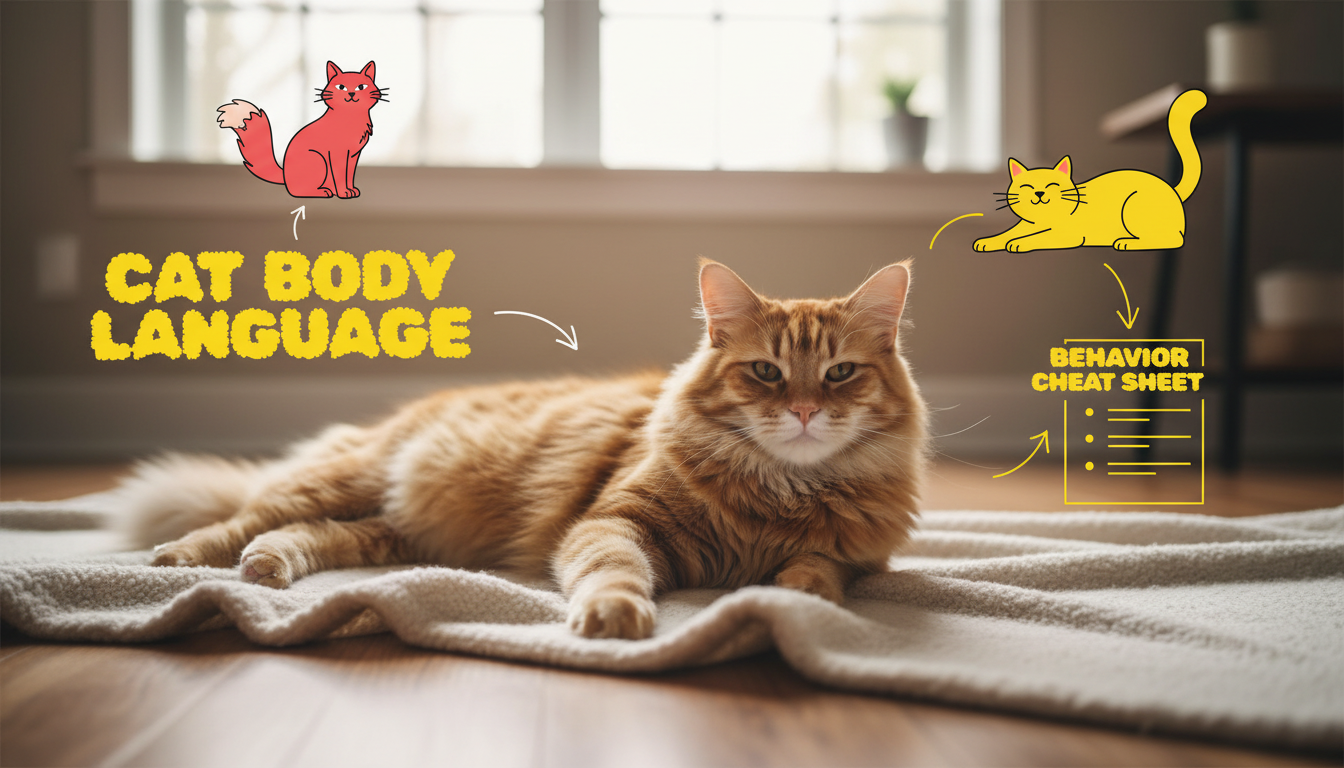
How do I tell the difference between playful and aggressive cat body language?
Playful and aggressive cat signals can look similar at first—fast movements, intense focus, and bursts of energy. The difference usually shows up in the details: how loose or tense the body is, what the ears and tail are doing, whether claws and teeth are controlled, and whether your cat can “reset” quickly after a pounce.
Look for a relaxed vs. rigid body
A playful cat tends to move with a bouncy, loose body. You’ll often see quick hops, side-steps, and exaggerated “ambush” poses that look dramatic but not stiff. Aggression more often comes with muscle tension: a rigid stance, weight shifted forward, a low, deliberate stalk, or a frozen posture before striking.
Compare tail motion and position
During play, the tail may be up, gently waving, or flicking in short bursts while the rest of the body stays springy. Aggression is more likely when the tail is lashing hard side-to-side, tucked tight, or puffed up with the body held tight. A sharp, repetitive tail whip paired with a stiff back is a strong “back off” signal.
Check the ears and eyes for “soft” vs. “hard” signals
Play commonly includes ears forward or slightly to the side, with a curious, alert look. Aggression often shows ears pinned back or flattened, along with a hard stare. Dilated pupils can happen in both excitement and fear, so use them alongside the rest of the posture rather than as a single deciding clue.
Watch the mouth, claws, and bite control
Play-biting is typically inhibited—your cat may mouth or nip and then release, often switching between toys and hands if boundaries aren’t clear. Aggressive bites are more forceful and sustained, and claws are more likely to be fully engaged. Hissing, growling, or spitting also leans toward fear or aggression rather than play.
Notice what happens after the interaction
Many playful cats can pause, blink, shake off, groom, or return for another round without lingering tension. With aggression, your cat may remain on edge—crouched, staring, hiding, or ready to strike again. If you’re unsure, stop the interaction, give space, and redirect to a wand toy.
For a quick reference on tail, ears, and eye cues, see the full guide: Cat Body Language Cheat Sheet (Tail, Ears, Eyes).
FAQ
Why does my cat suddenly bite during petting?
This is often overstimulation: your cat enjoys touch until it becomes too intense, then switches to a warning nip. Watch for early signs like tail flicking, skin twitching, or ears turning back, and pause before it escalates.








Leave a comment